
17-4 PH vs. 15-5 PH vs. 13-8 PH Stainless Steel
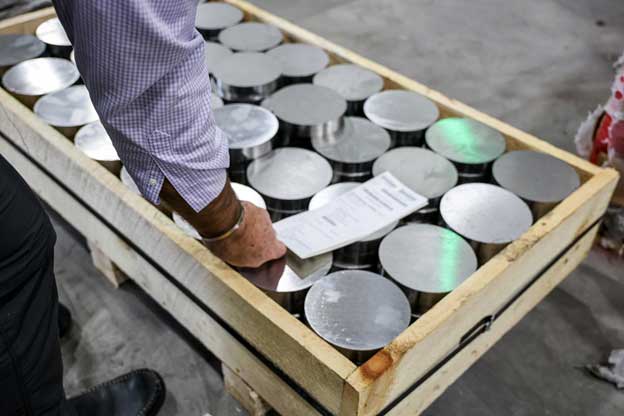
Compare 17-4 PH, 15-5 PH, and 13-8 PH stainless steel in terms of mechanical properties, melting methods, ductility, machinability, cost, and applications.
304 vs 316 Stainless Steel: Corrosion Resistance, Properties, & Applications
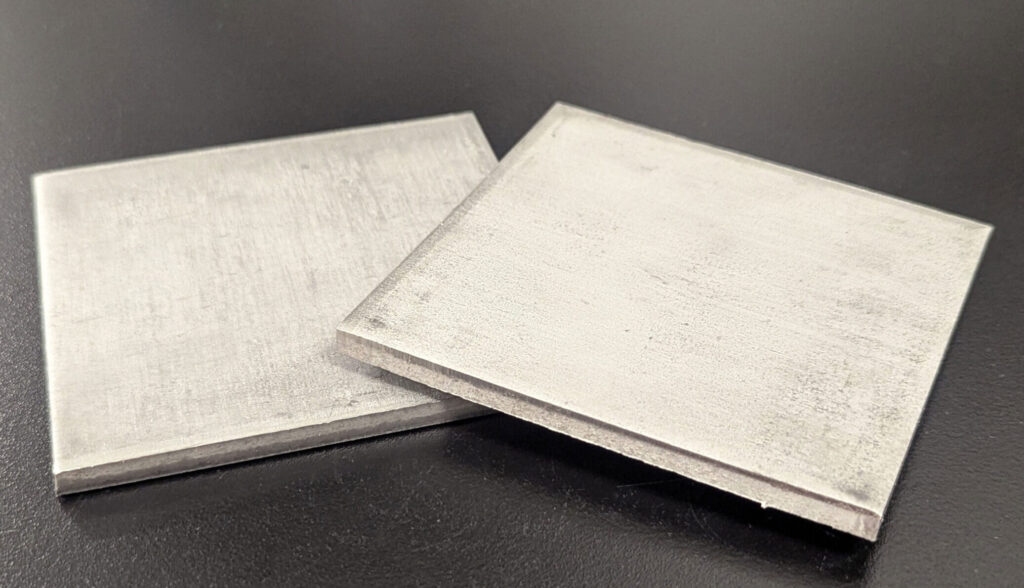
304 and 316 stainless steels are foundational materials in industrial and structural applications, valued for their durability, corrosion resistance, and versatility. While similar in performance, differences in chloride resistance can impact longevity, making proper grade selection key to balancing performance, cost, and service life.
New & Expanded Product Inventory
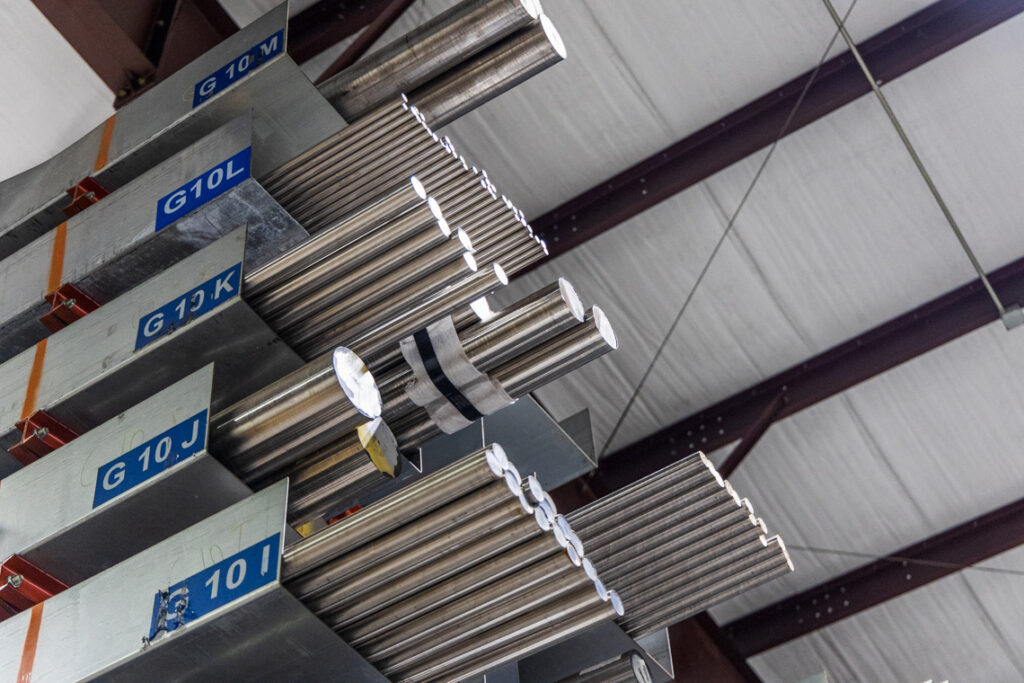
New Titanium, Stainless, Nickel and Cobalt in Stock Now – CP Ti Grade 2, 635, 718 and More!
RA 253 MA® vs 309/310
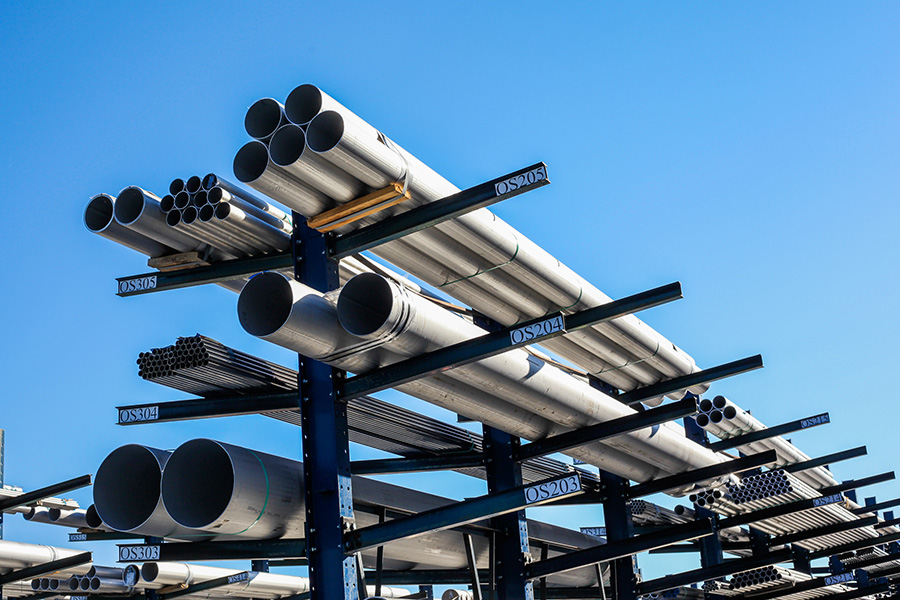
The main difference between RA 253 MA and both 309 and 310 stainless steel lies in alloy composition and resulting high‑temperature performance.
RA 253 MA Delivers High-Temp Performance in Industry Feature
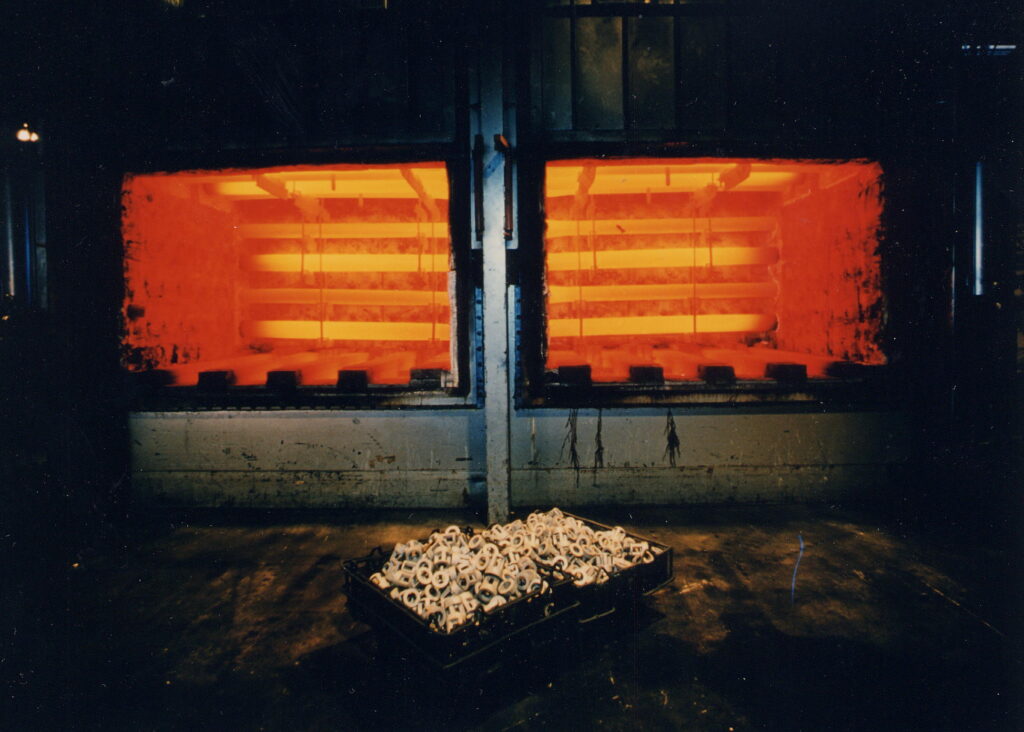
Rolled Alloys has been featured in Heat Treat Today with the article, “A Microalloyed Solution for High-Temp Applications.”
Instant Pricing on Nickel, Stainless Steel, Duplex, and Titanium

Get instant pricing and availability for nickel, stainless steel, duplex, and titanium—all in one place.
History and Uses of Alloy 800
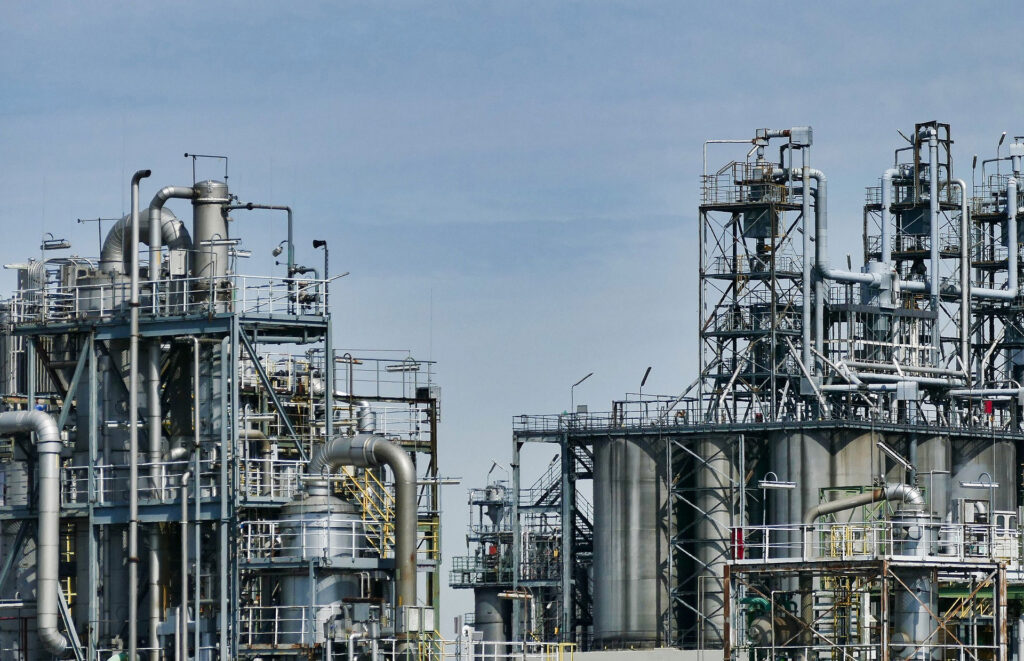
Discover the evolution of Alloy 800, from its origins during the 1950s to modern derivatives like Alloy 800H/800HT. Learn about its high-temperature strength, petrochemical applications, and commercial availability today.
New Bar Stock Available
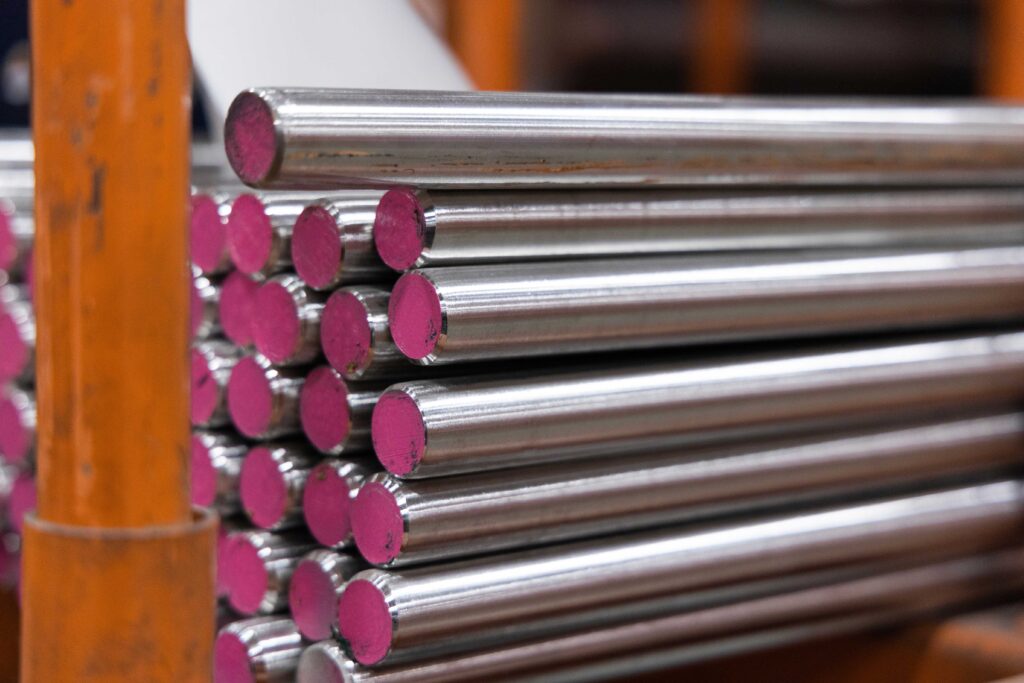
New Round and Flat Bar Products in Stock at Rolled Alloys
Reasons Why Duplex Stainless Steels are Replacing the 300 Series
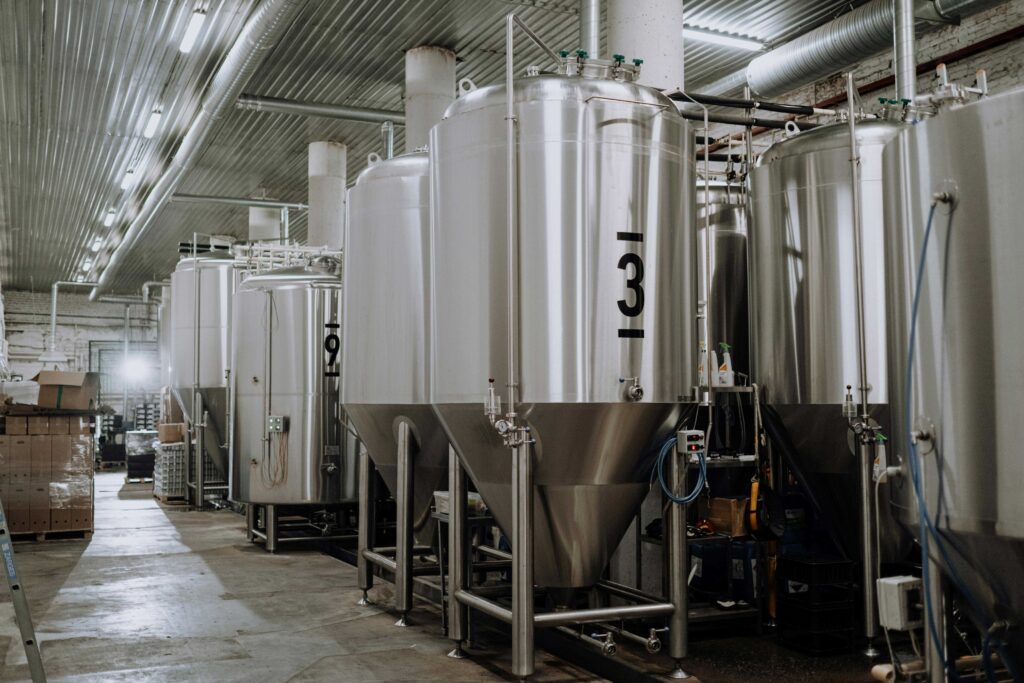
Explore the four key benefits of duplex stainless steel: high strength, superior corrosion resistance, ease of fabrication, and cost-effectiveness. Understand why 2205 is favored over 304/304L and 316/316L for industrial applications.
The History and Uses of AL-6XN®
AL-6XN® was developed to improve the corrosion resistance of AL-6X in seawater environments, offering better performance in resisting…