
Home » News & Articles » New Stainless Products 420 & 17-4 Flat Bar
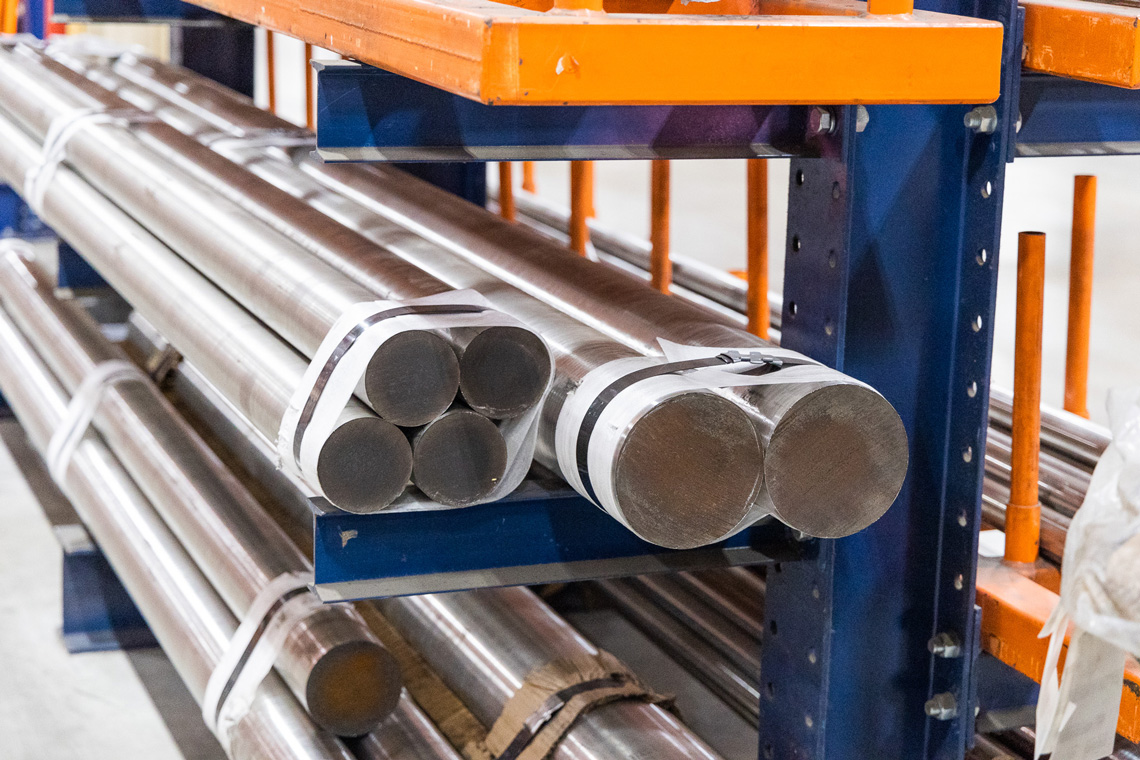
420 Stainless Steel Bar
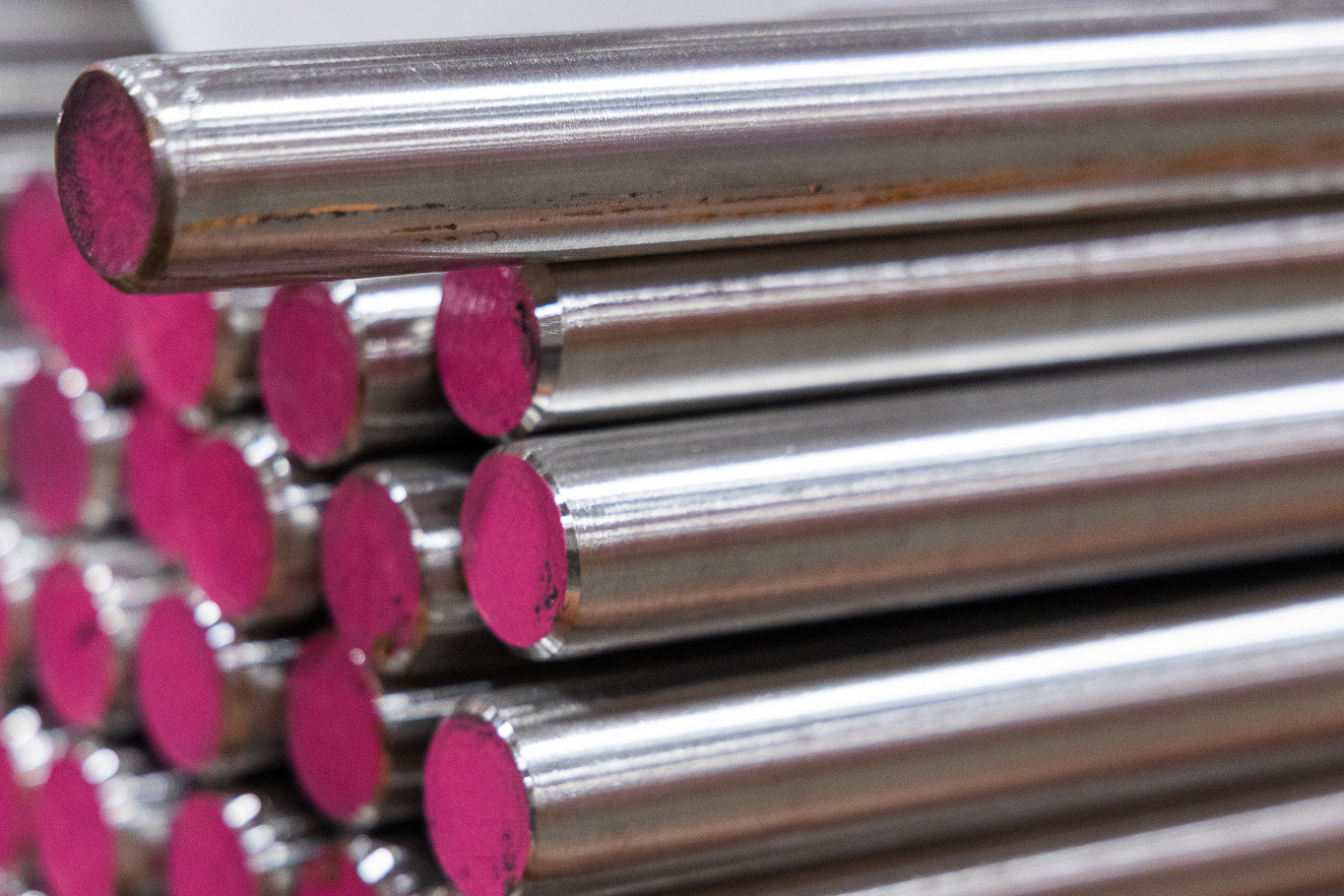
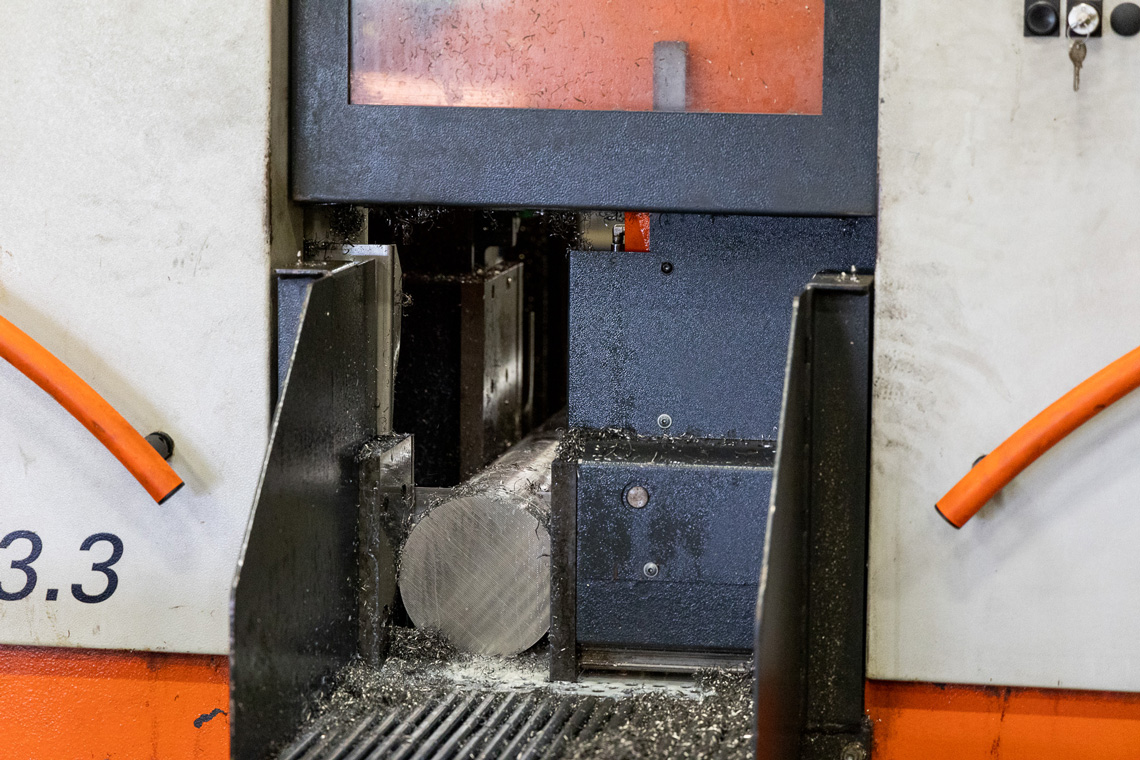
We’ve recently announced the addition of 420 Stainless Round Bar to its inventory. 420 is a 12% chromium, martensitic stainless steel. 420 provides improved hardenability and strength compared to 410 stainless. 420 stainless bar inventory meets DFARs sourcing requirements.
“With the addition of 420 stainless, we now offer more than 20 grades of stainless bar spanning every family from 300 & 400 series to duplex and precipitation hardening (PH) grades. Expanded inventories combined with our industry leading website and processing capabilities furthers our mission to be the easiest metals sourcing option.”
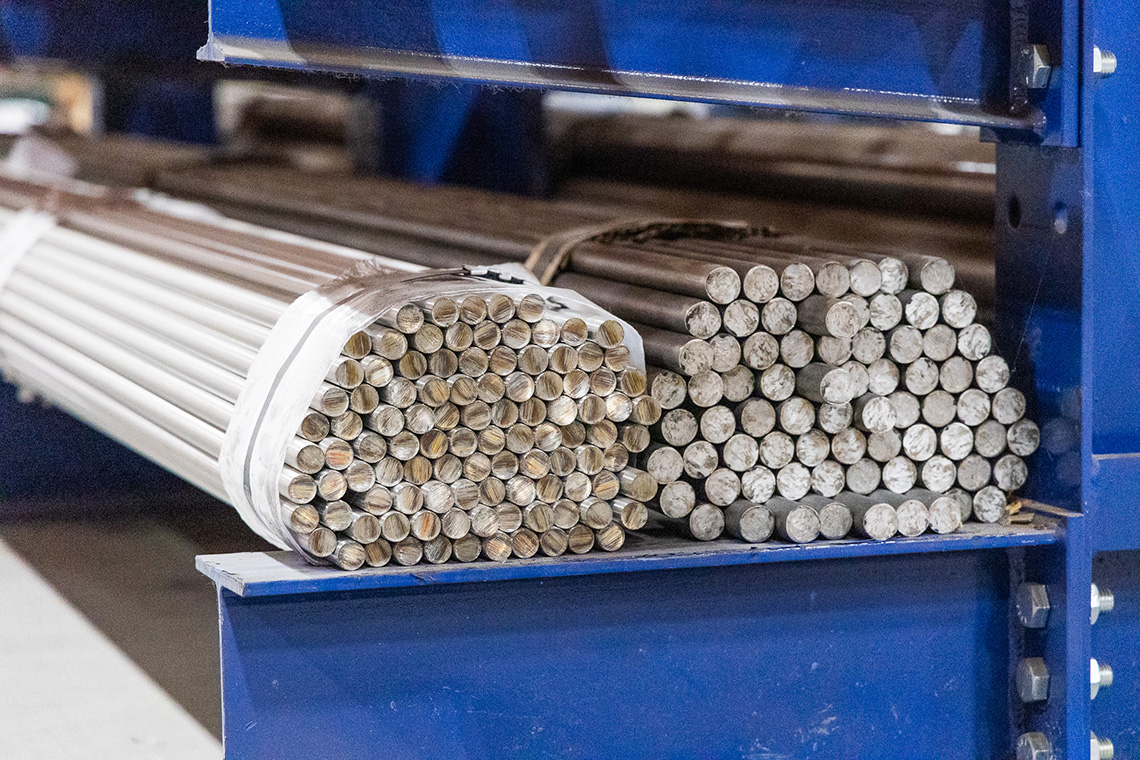
17-4 Flat Bar
17-4 stainless is an age-hardening martensitic stainless combining high strength with the corrosion resistance of stainless steel. Hardening is achieved by a short-time, simple low-temperature treatment. Unlike conventional martensitic stainless steels, such as type 410, 17-4 is quite weldable. The strength, corrosion resistance and simplified fabrication can make 17-4 stainless a cost-effective replacement for high strength carbon steels as well as other stainless grades.
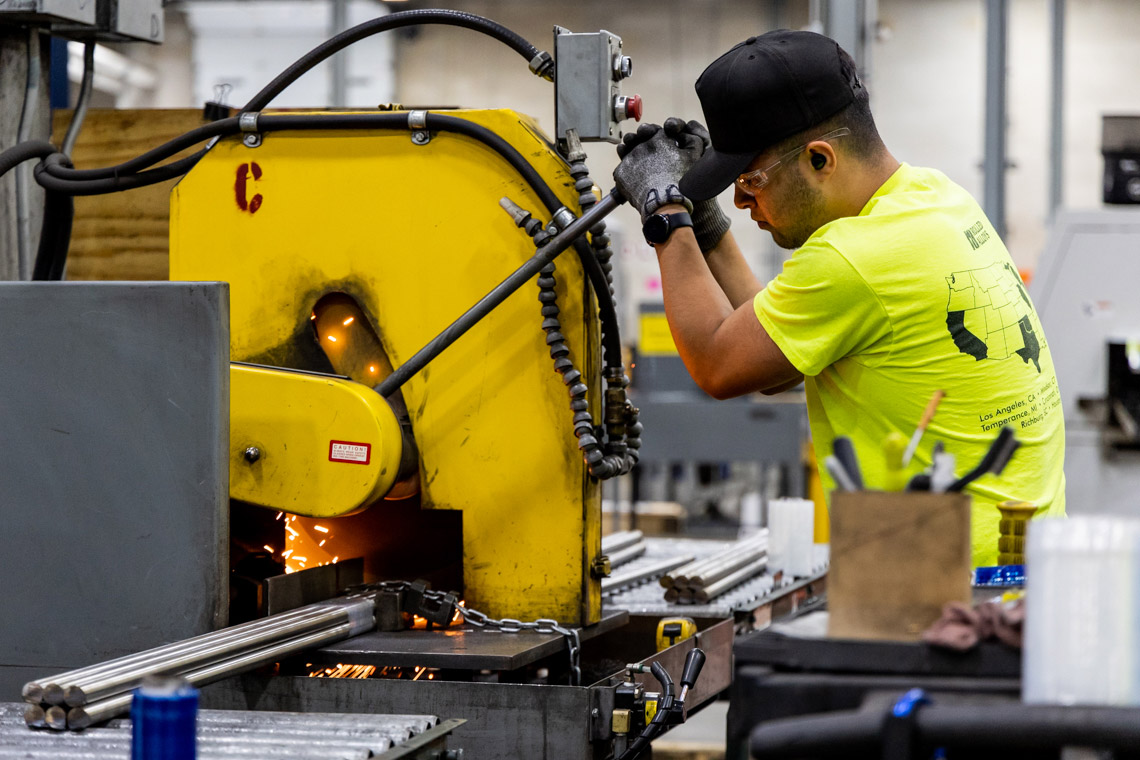
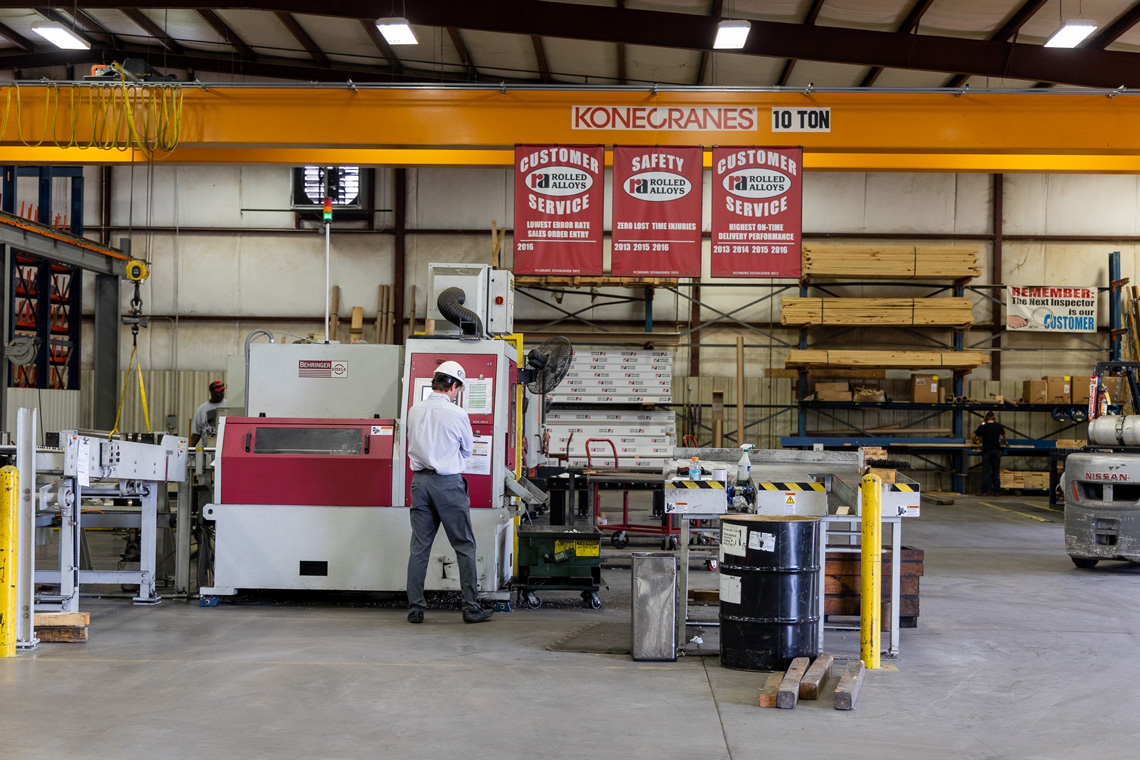
Our bar processing options include precision sawing, band sawing, ink jet part marking, and XRF positive material verification.
We offer a diverse grade and product form portfolio of heat and corrosion resistant alloys across 13 locations in North America and Asia, with additional representation in Europe. Click here to learn more about us.

How Titanium Sponge and Scrap Become Final Products
Titanium sponge and scrap are the starting materials for producing titanium ingots and slabs. Through processes like vacuum arc remelting (VAR) and hearth melting, these

Alloying Elements Explained
Alloying elements play a critical role in shaping the strength, corrosion resistance, and performance of metals. This article breaks down the most common alloying elements,

How the Kroll Process Produces Titanium Sponge
The Kroll process is the primary industrial method for transforming titanium ore into metallic titanium…
Never Miss an Update - Subscribe Today!
Get application insights, material guides, and technical answers straight from the leaders in high-performance alloys.
Share:
QUOTE, BUY, TRACK
We make it easy to get instant pricing and purchase your metal at the click of a button. Track your order progress, get notified when it ships, and follow your shipment online until it’s delivered. It’s that easy!
Latest Articles
How Titanium Sponge and Scrap Become Final Products
Titanium sponge and scrap are the starting materials for producing titanium ingots and slabs. Through processes like vacuum arc remelting (VAR) and hearth melting, these materials are refined into high-purity forms that are then forged, rolled, and finished into titanium plates, bars, and components.
Alloying Elements Explained
Alloying elements play a critical role in shaping the strength, corrosion resistance, and performance of metals. This article breaks down the most common alloying elements, explains how they affect material properties, and provides guidance for choosing the right alloy for any application.
How the Kroll Process Produces Titanium Sponge
The Kroll process is the primary industrial method for transforming titanium ore into metallic titanium…
RA 253 MA Delivers High-Temp Performance in Industry Feature
Rolled Alloys has been featured in Heat Treat Today with the article, “A Microalloyed Solution for High-Temp Applications.”
Welding Consumable Designations and Selection Criteria
Understanding welding consumable designations is essential for achieving strong, reliable welds. This guide breaks down AWS standards, electrode naming conventions, and key factors like polarity, base materials, and welding position to help you choose the right filler metal every time.