UNS: N08367
ASTM: B 688, A 240, B 675, A 312, B 676, A 249, B 804, B 691, A 479, B 462, A 182, B 564, B 366, B 472
ASME: SB-688, SA-240, SB-6 75, SA-312, SB-276, SA-249, SB-691, SA-479, SB-462, SA-182, SB-564, SB-366 Code Case N-438-3, B-31.1 Case 155-1.
Chemical Compositon (%)
Case Study
Coal-fired power plants generate flue gas as a byproduct of combustion. In many modern plants, especially those burning coal with high sulfur and chloride content, this flue gas can become highly corrosive to carbon steel and even conventional stainless steels.
The risk increases dramatically when flue gas cools below its acid dew point, allowing condensation to form. That condensate often contains sulfurous acid, sulfuric acid (H₂SO₄), and hydrochloric acid (HCl), a combination that aggressively attacks ductwork, absorber internals, and downstream equipment.
The Corrosion Challenge in Flue Gas Ductwork
Ductwork carrying flue gas from the boiler, electrostatic precipitator (ESP), or scrubber to the exhaust stack is particularly vulnerable. Corrosion frequently concentrates in:
- Duct floors and lower sidewalls
- Corners and crevices
- Areas exposed to cold spots caused by external supports or structural steel
These locations are prime sites for acid condensation, leading to rapid wall loss, unplanned outages, and costly repairs.
Real-World Case Study: Indianapolis Power & Light (IP&L)
In the late 1980s, Indianapolis Power & Light Company (IP&L) experienced severe, localized corrosion in a rectangular steel flue gas duct.
Operating Conditions
- Flue gas temperature: ~260°F
- Duct length: 150 ft
- Configuration: Rectangular duct from ESP outlet to induced draft fan
- Fuel characteristics: High sulfur and chloride content
Corrosion appeared randomly along the floor and sidewalls, particularly near duct corners supported externally by steel braces.
Root Cause
IP&L engineers determined that:
- Cold spots lowered metal temperature below the flue gas dew point
- Acidic condensate formed at wall/floor interfaces
- Condensate chemistry included approximately:
- 33 lb/hr of chlorides (Cl⁻)
- 29 lb/hr of sulfuric acid (H₂SO₄)
This environment proved too aggressive for carbon steel and standard stainless options.
Material Selection: Why AL-6XN® Alloy
After consulting with Rolled Alloys®, IP&L evaluated several high-alloy stainless steels, including 904L and 317L. Based on corrosion resistance data and service history, AL-6XN® alloy was selected.
Key Reasons for Selection
- Proven durability in flue gas and FGD-related applications
Installation Approach
The solution was to install AL-6XN alloy as a liner inside the existing carbon steel duct.
Project Details
- Duct size: 12 ft wide × 24 ft high
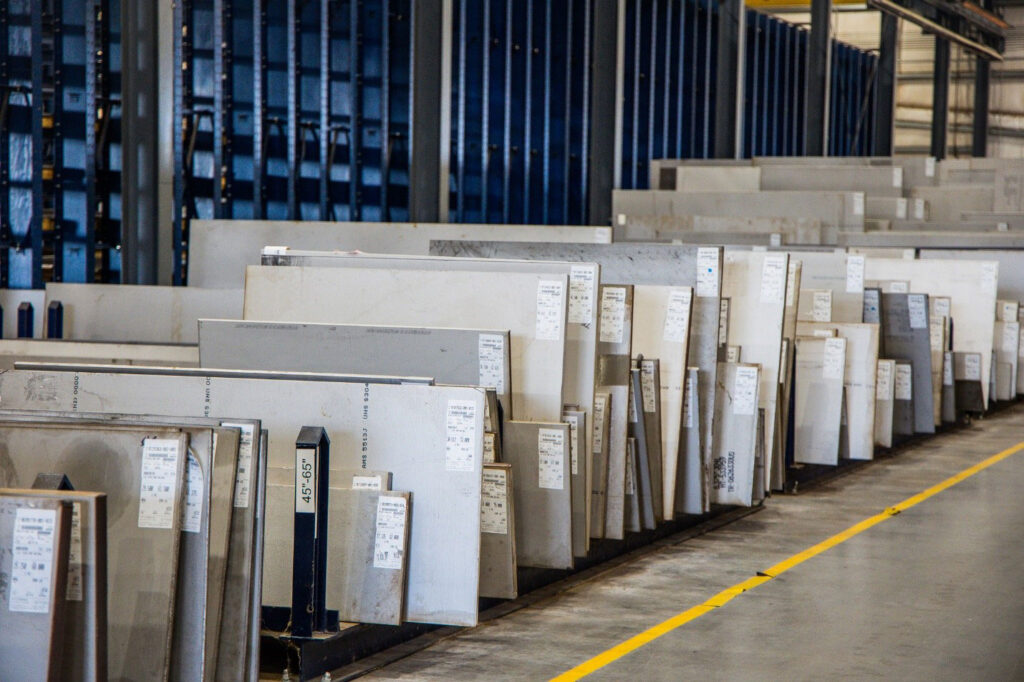
- Material supplied: 35,000 lb of AL-6XN sheet
- Sheet size: 4 ft × 12 ft × 14 gauge
- Fabricator: Sterling Boiler (Evansville, IN)
Lining Method
- Sheets installed using a “wallpapering” technique
- 90° bends formed at floor-to-wall interfacesSheets overlapped to prevent leakage paths
- Plug welded to carbon steel on 2-ft centers
- Overlaps covered with AL-6XN diamond patches
- All seams and interfaces seal welded using GMAW with Alloy 625 filler
This approach created a continuous, corrosion-resistant barrier while utilizing the existing duct structure.
Performance Results
Five years after installation:
- The duct was removed due to construction of a new scrubber
- AL-6XN liner remained in excellent condition
- In some areas, original mill markings were still visible
The liner showed no significant signs of pitting, crevice corrosion, or acid attack.
Extended use in FGD Scrubber Service
Based on the success of the duct lining project, IP&L selected AL-6XN alloy to be installed downstream of the quench section of the No. 3 scrubber absorber tower at the same plant.
After five years of service, the AL-6XN alloy components were reported to be in good condition and remained in operation for years to come.
Why AL-6XN® for FGD & Flue Gas Applications
For coal-fired power plants operating FGD systems, AL-6XN alloy offers:
- Exceptional resistance to chloride-rich condensates
- A significant degree of protection against acid corrosion
- Reduced risk of under-deposit corrosion
- Long service life with lower total lifecycle cost
Looking for a proven solution?
If your plant is experiencing corrosion in:
- Flue gas ductwork
- FGD absorber towers
- Quench sections or downstream components
AL-6XN alloy has a proven track record in real-world, high-sulfur, high-chloride environments.
Contact us to discuss your operating conditions and explore whether AL-6XN alloy is the right solution for your application.