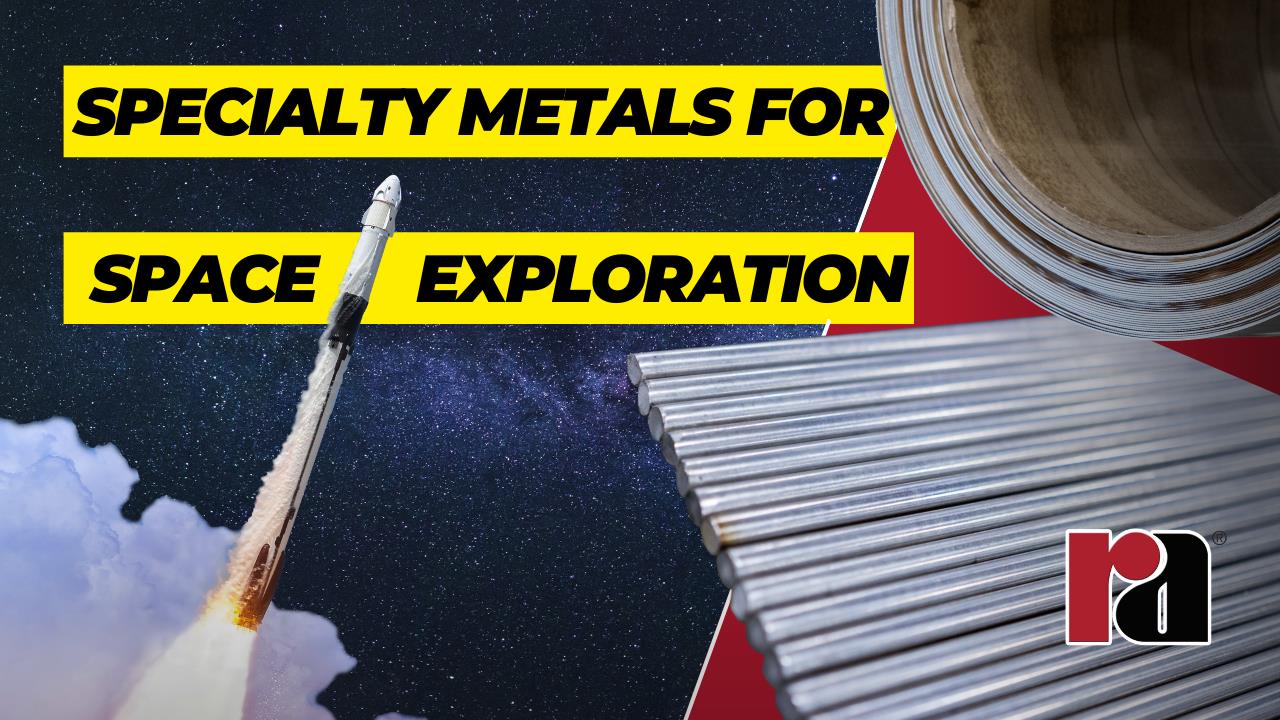
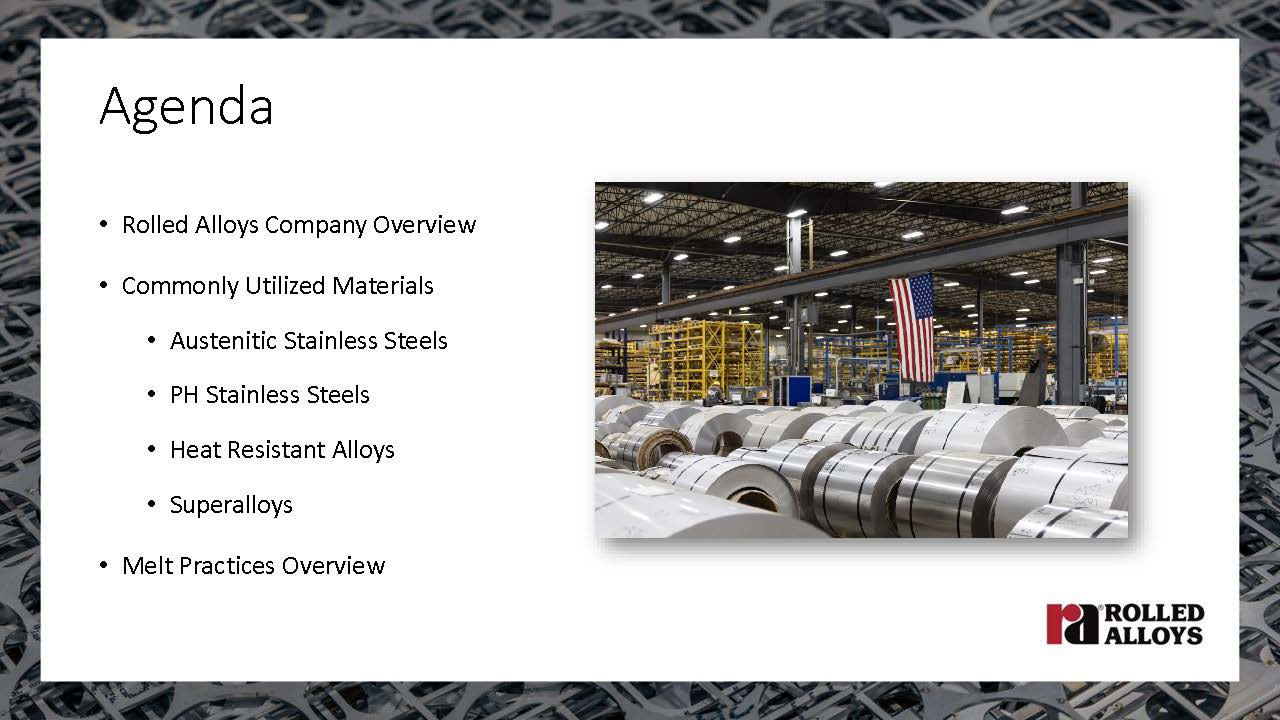
Welcome, readers, to a deep dive into the fascinating world of specialty metals for space exploration, inspired by a recent Rolled Alloys webinar. Hosted by Nick Hicks, an applications engineer at Rolled Alloys, the session offered a comprehensive look at the metals that are revolutionizing space technology. From the most commonly utilized materials like austenitic stainless steels to the complexities of super alloys, we’ll explore how these metals are pushing the boundaries of what’s possible in the harshest environments known to man.
A Brief Overview of Rolled Alloys
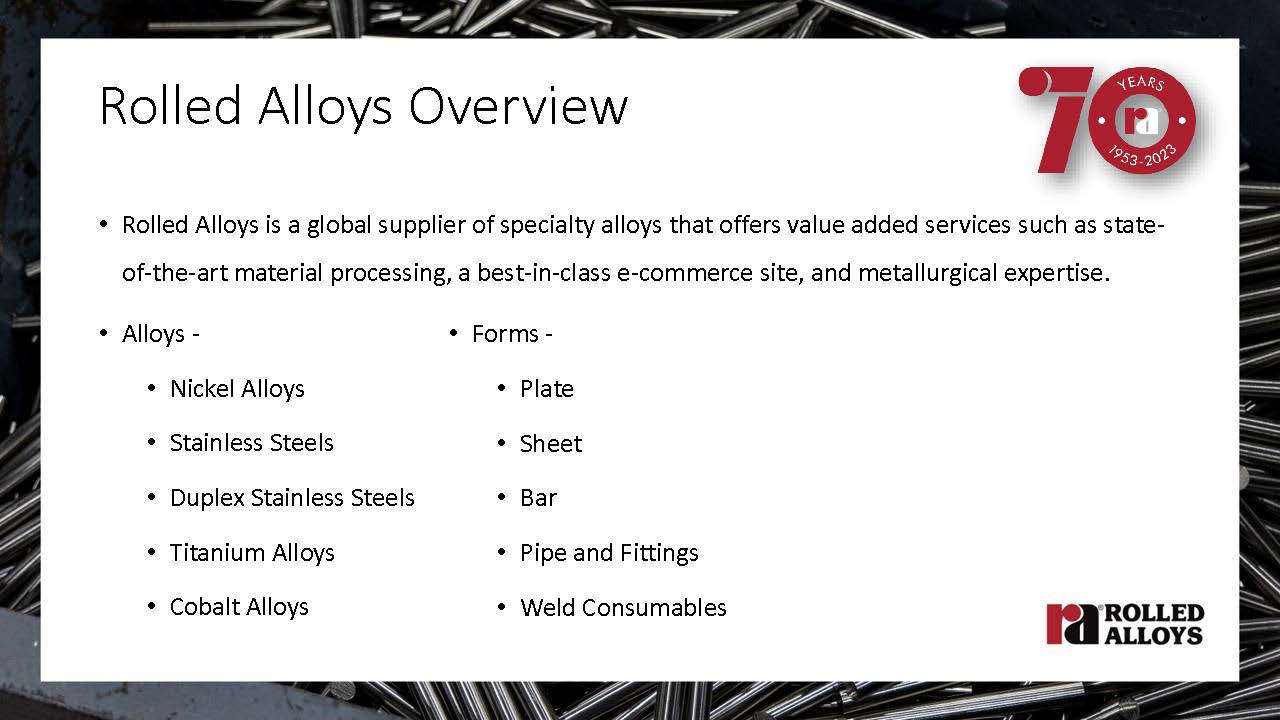
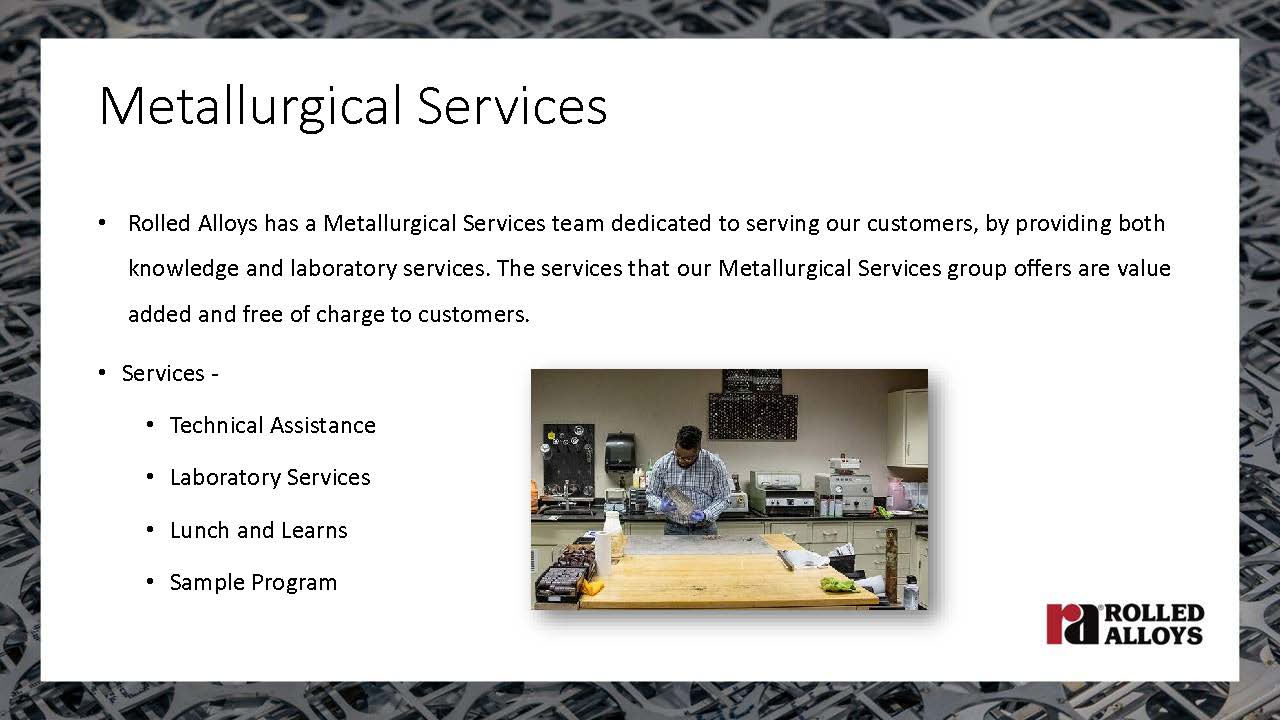
Rolled Alloys is a global supplier of specialty alloys that offers a range of value-added services, including state-of-the-art material processing and metallurgical expertise. The company deals in various alloys such as nickel, stainless steels, duplex specialty stainless steels, titanium alloys, and cobalt alloys, catering to diverse forms like plates, sheets, bars, pipes, and fittings.
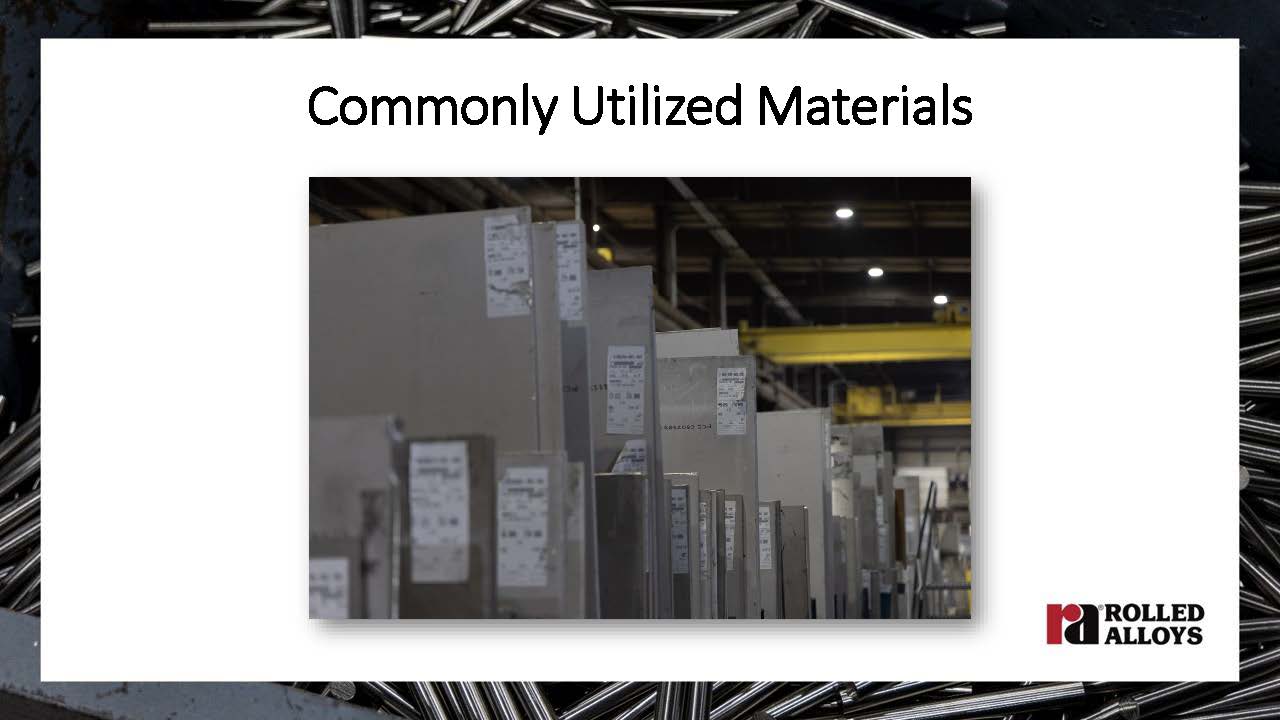
Commonly Utilized Materials in Space Exploration
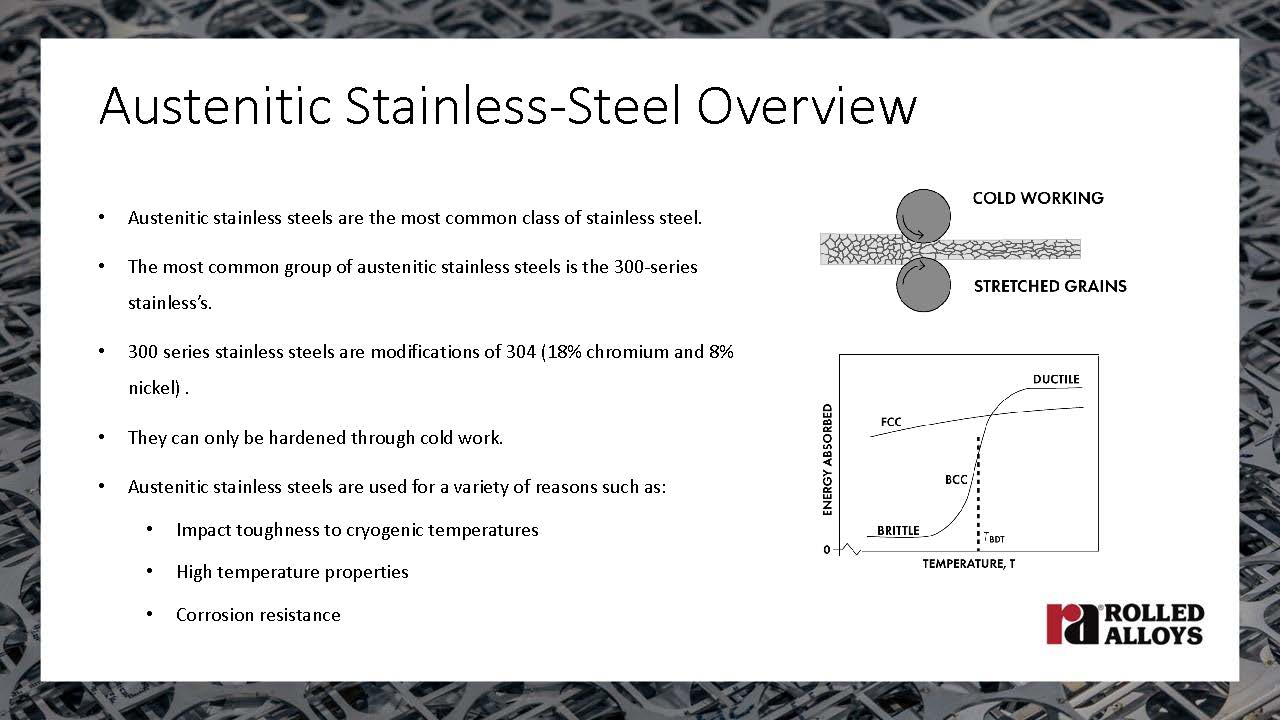
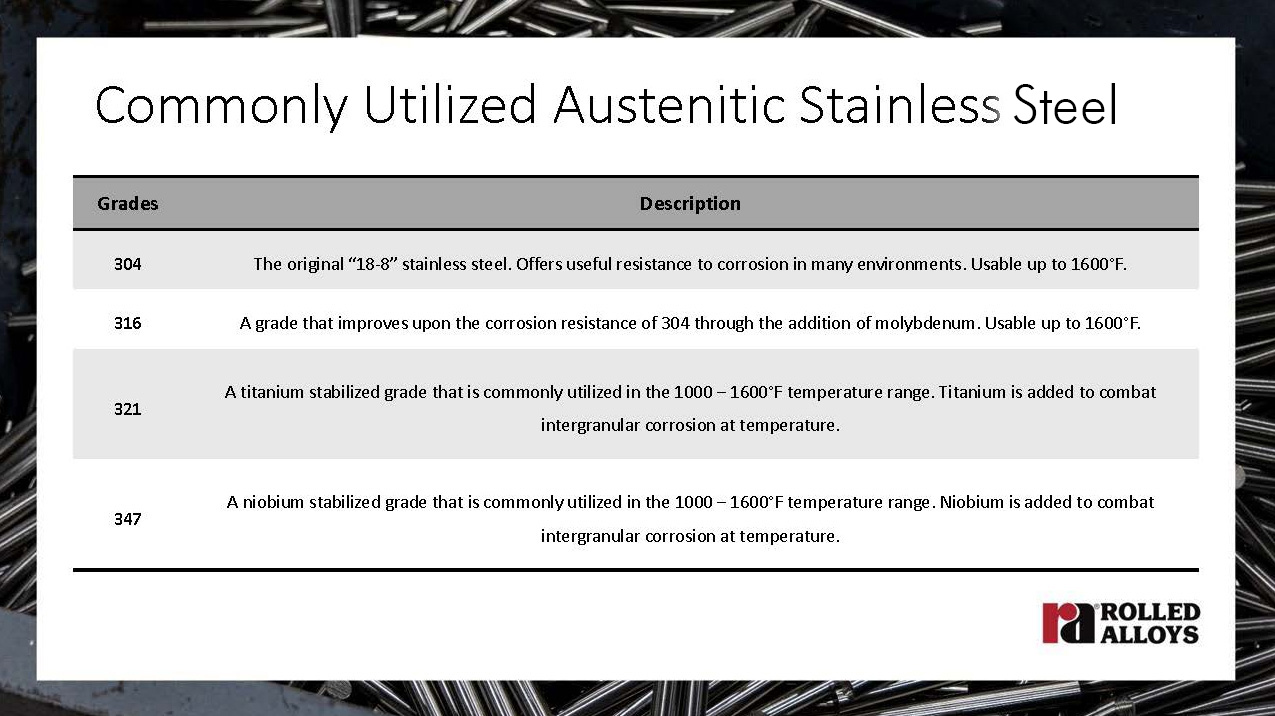
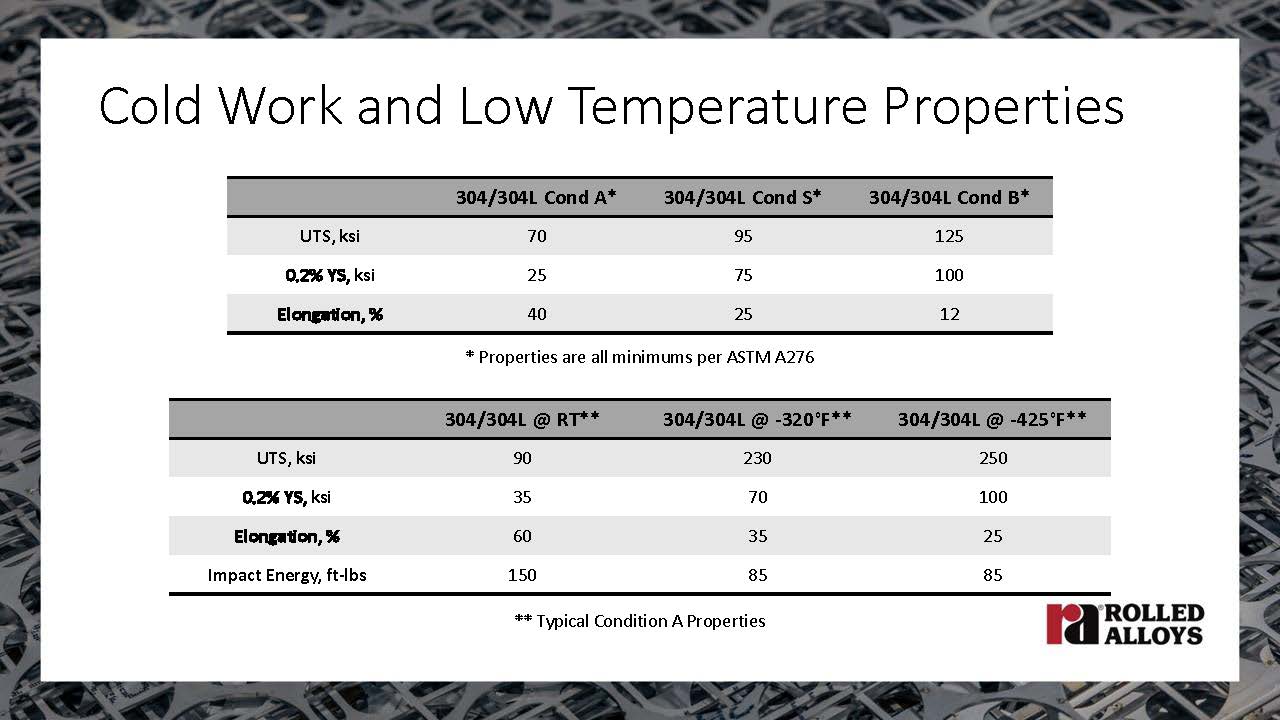
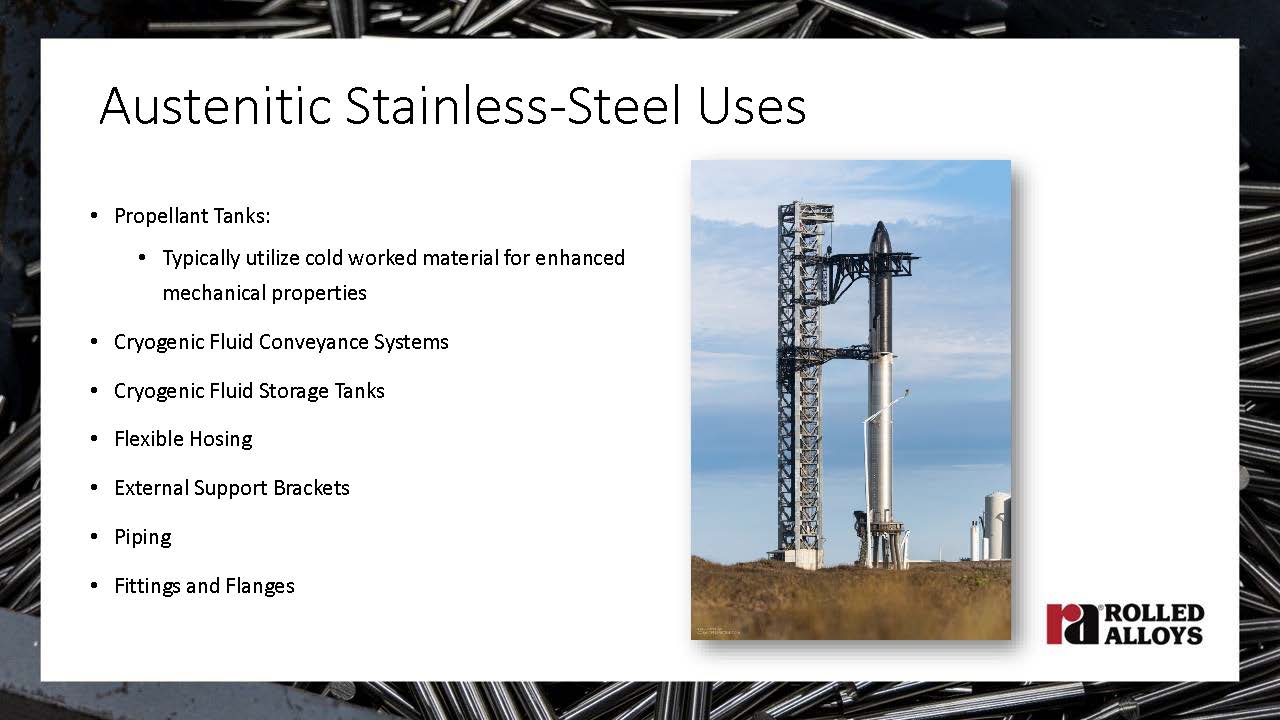
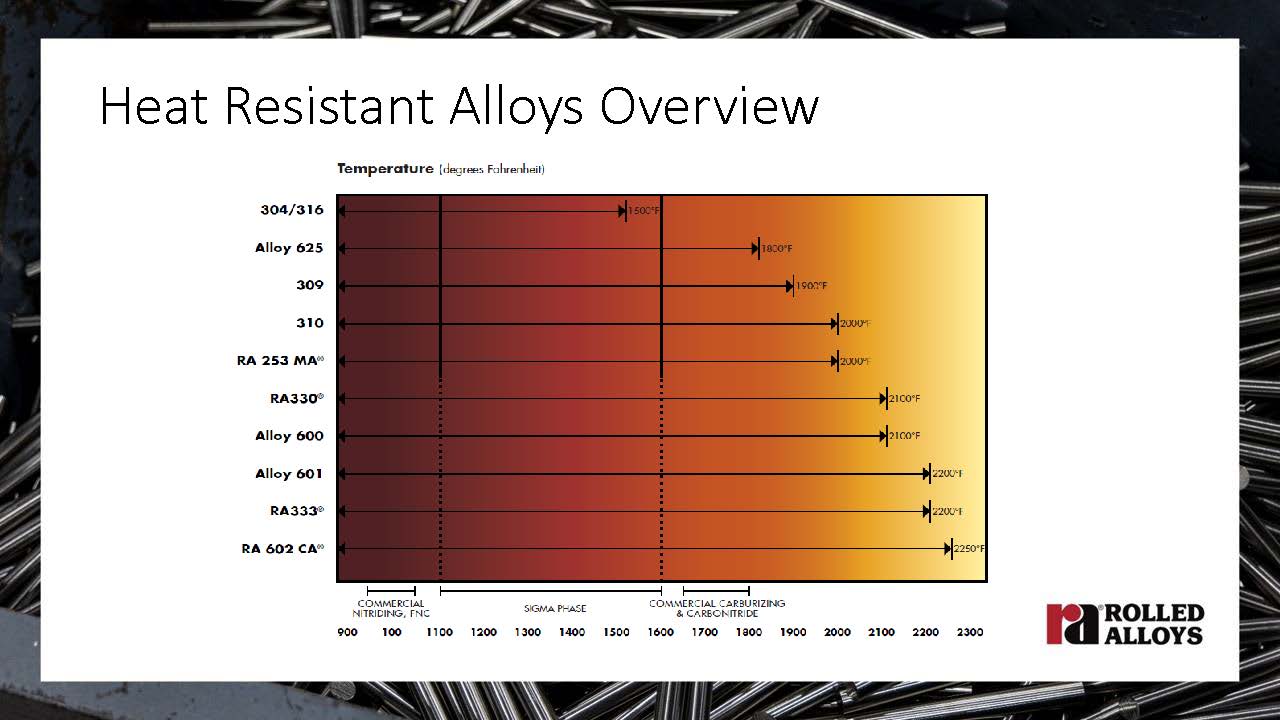
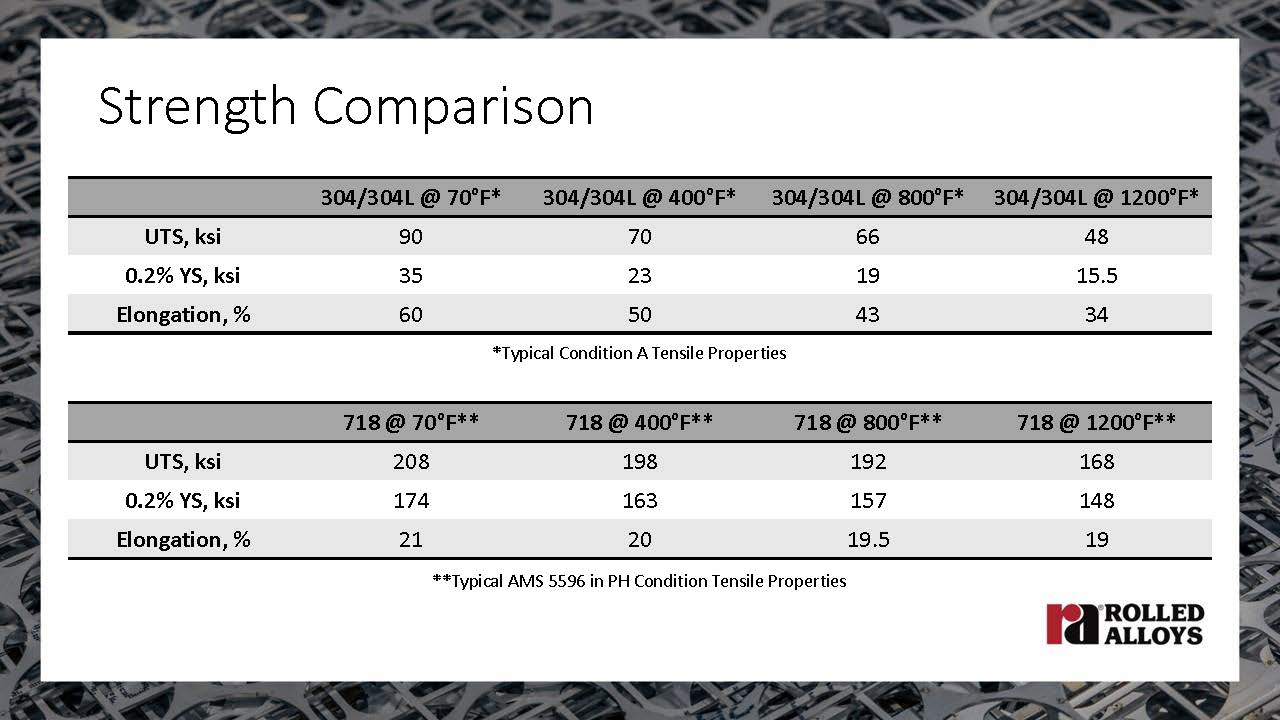
- Austenitic Stainless Steels: Austenitic stainless steels, particularly the 300 series, are the most commonly used class of stainless steel in space exploration. Among them, 304 and 316 are frequently employed due to their excellent corrosion resistance and usability at high temperatures (up to 1600°F). These materials also perform well at cryogenic temperatures, maintaining impact toughness without undergoing a ductile-to-brittle transition, making them ideal for cryogenic conveyance systems, propellant tanks, and other critical components in space applications.
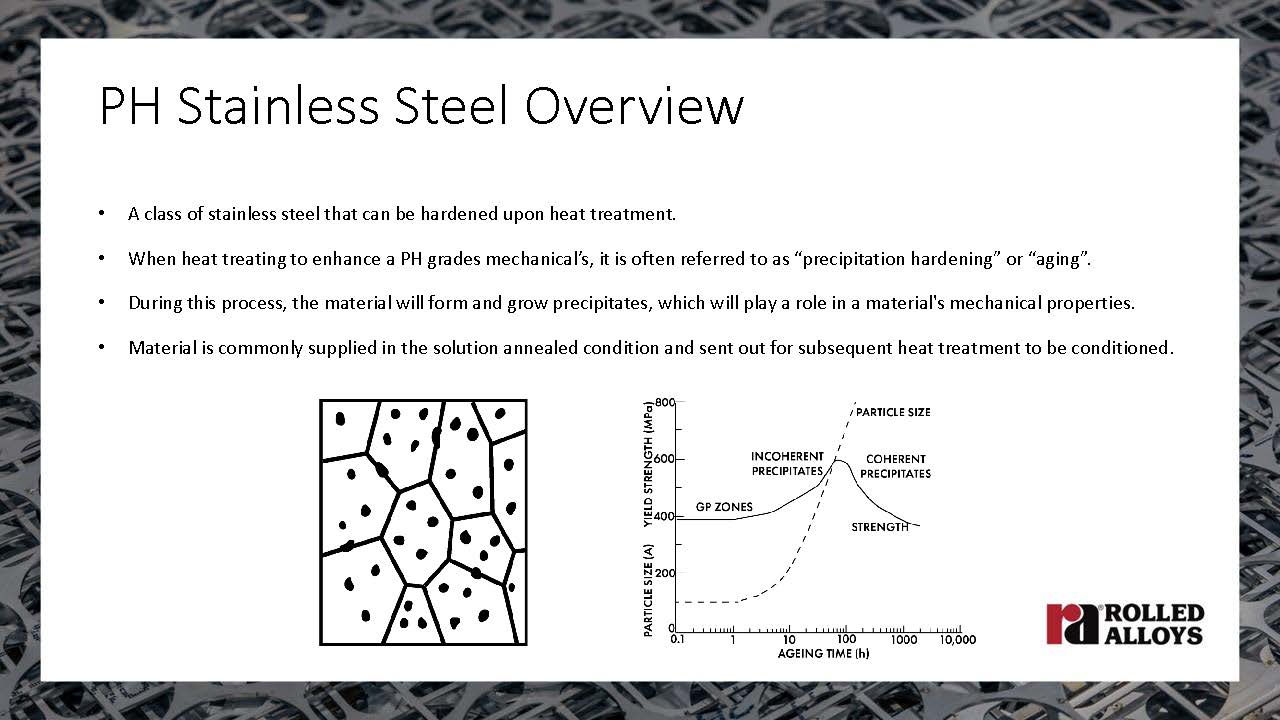
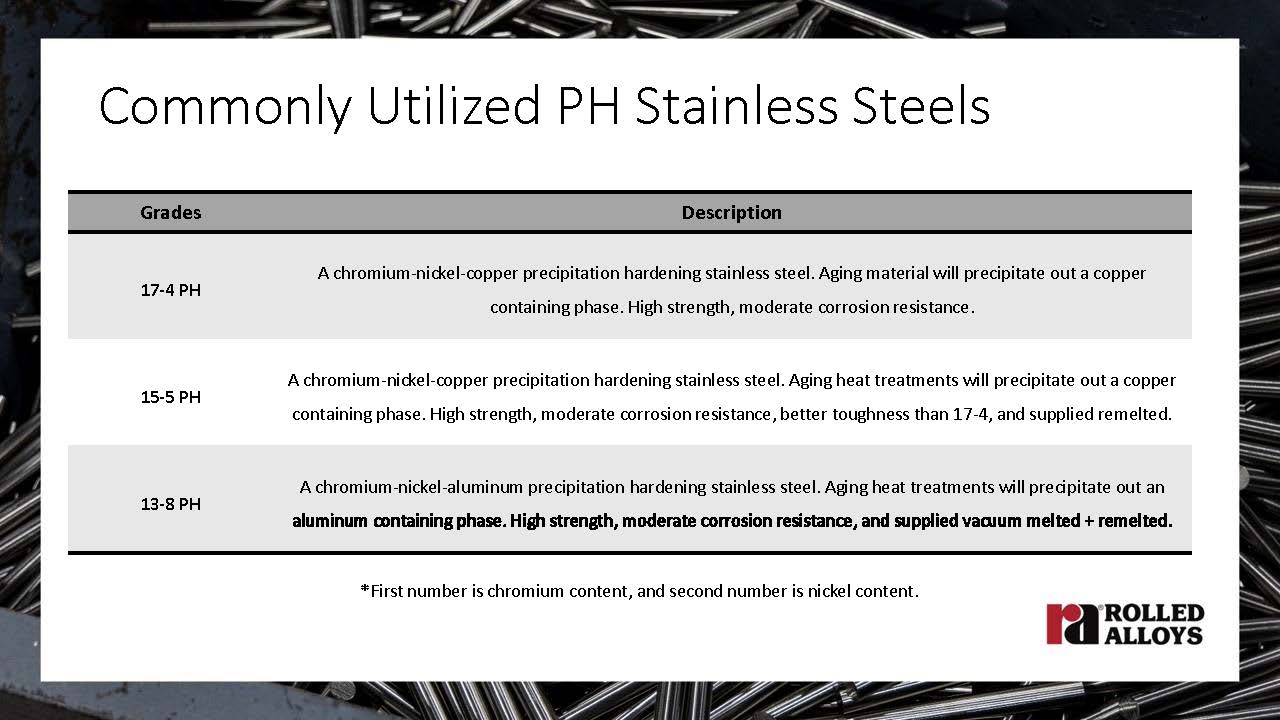
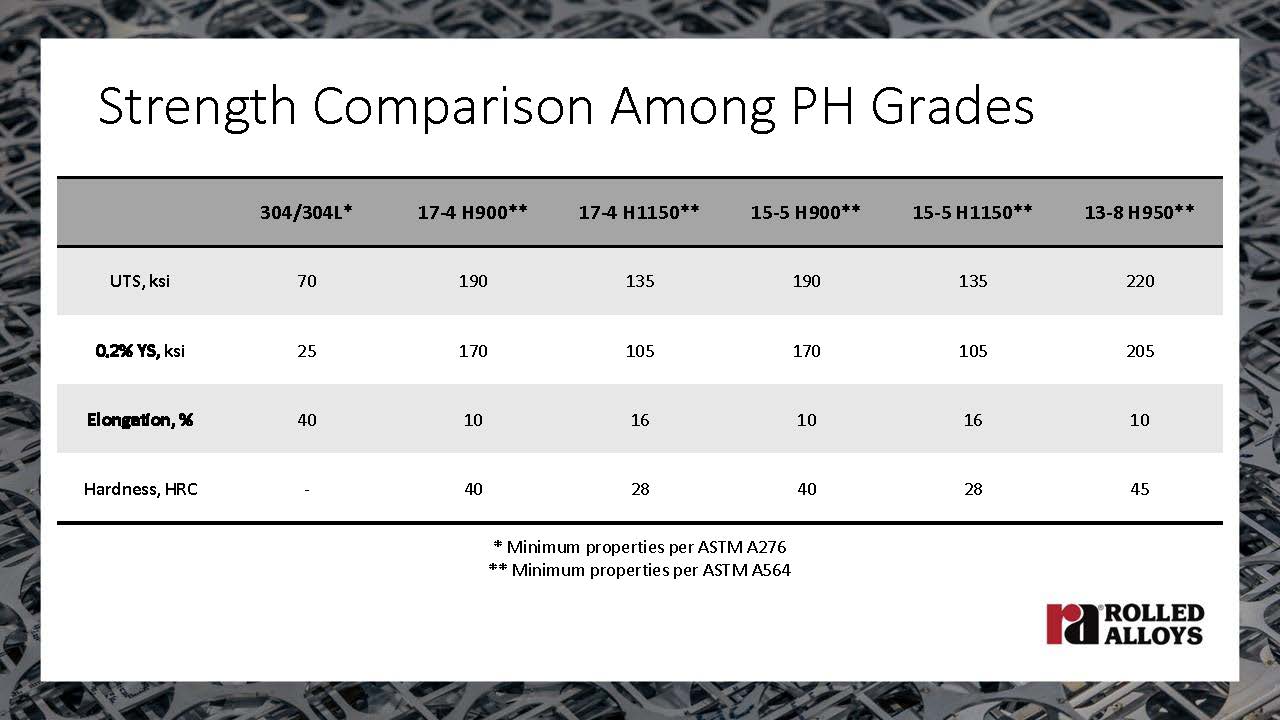
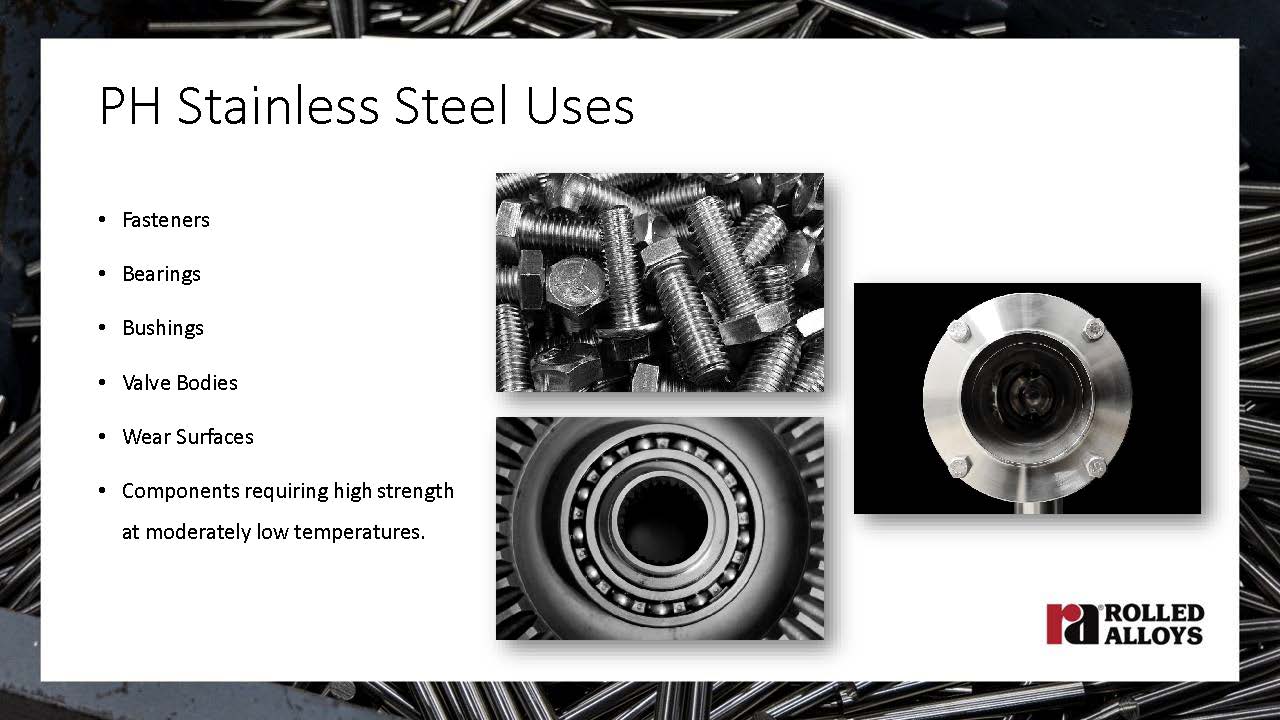
- Precipitation-Hardened (PH) Stainless Steels: PH stainless steels like 17-4, 15-5, and 13-8 offer the advantage of being hardenable through heat treatment, enhancing their mechanical properties. These materials are essential in applications requiring high strength but moderate corrosion resistance, such as fasteners, bearings, and high-wear surfaces. The aging process in these steels allows for precise control over mechanical properties, making them versatile in demanding aerospace applications.
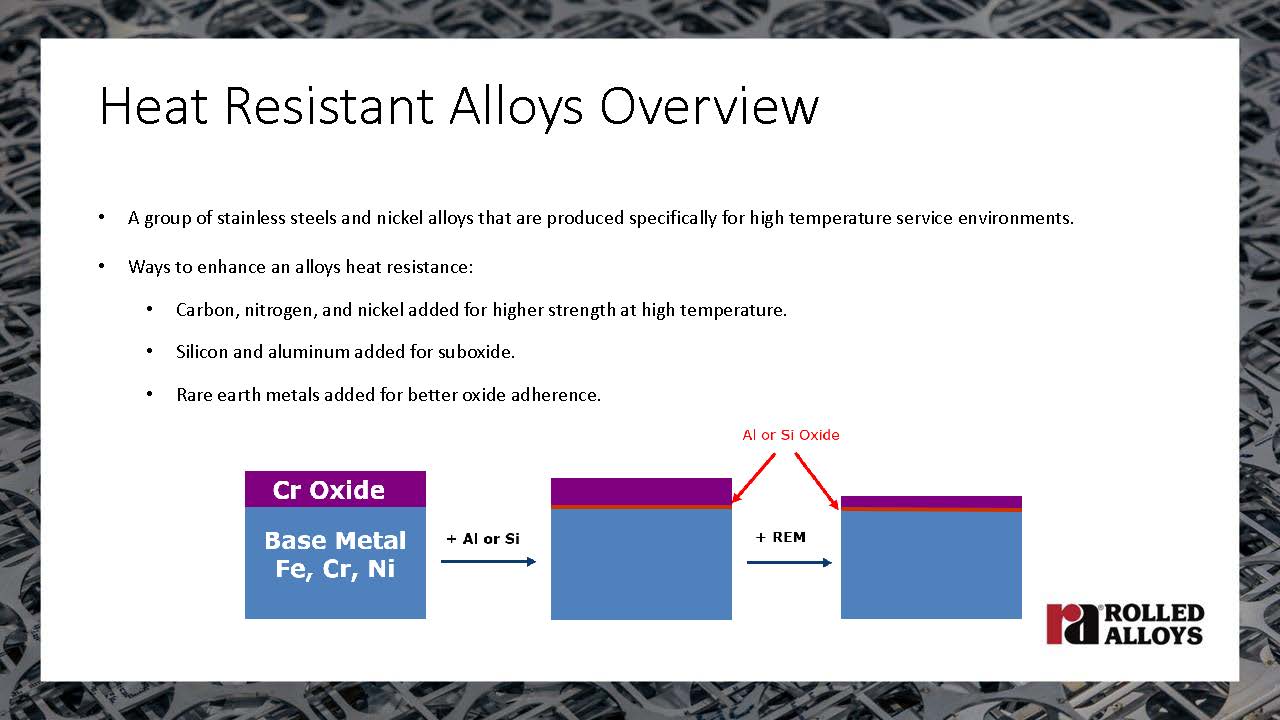
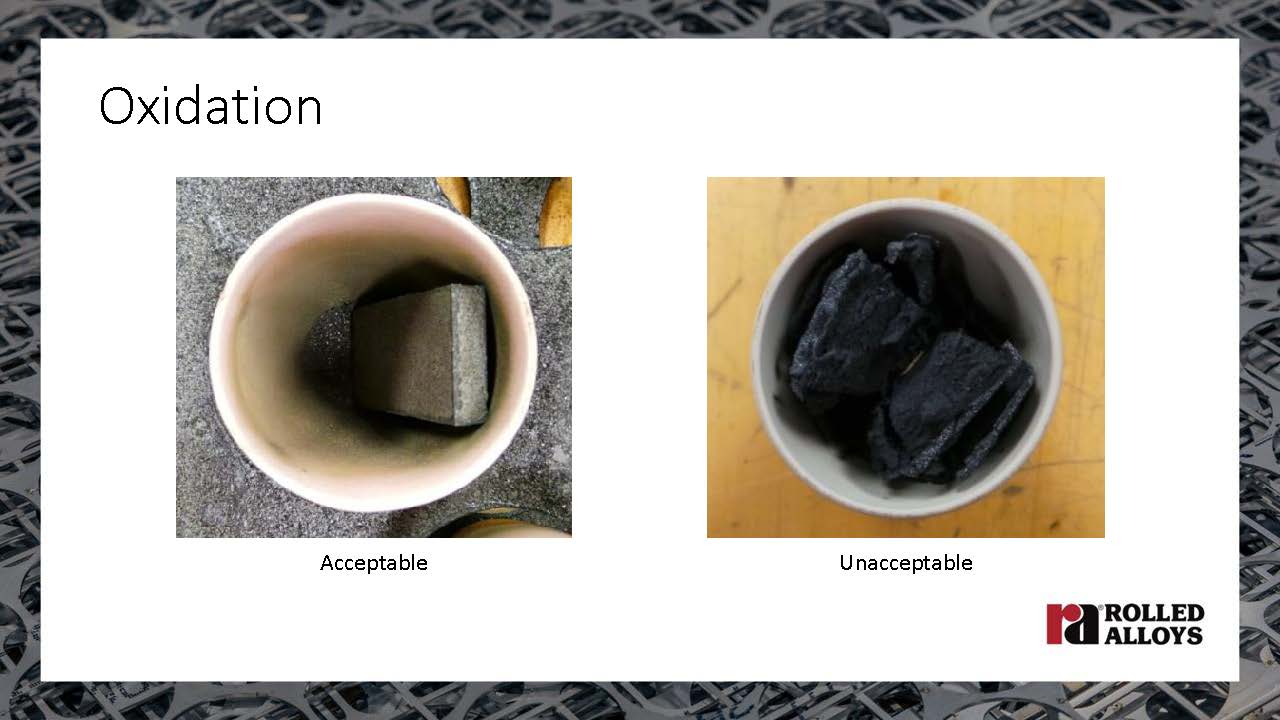
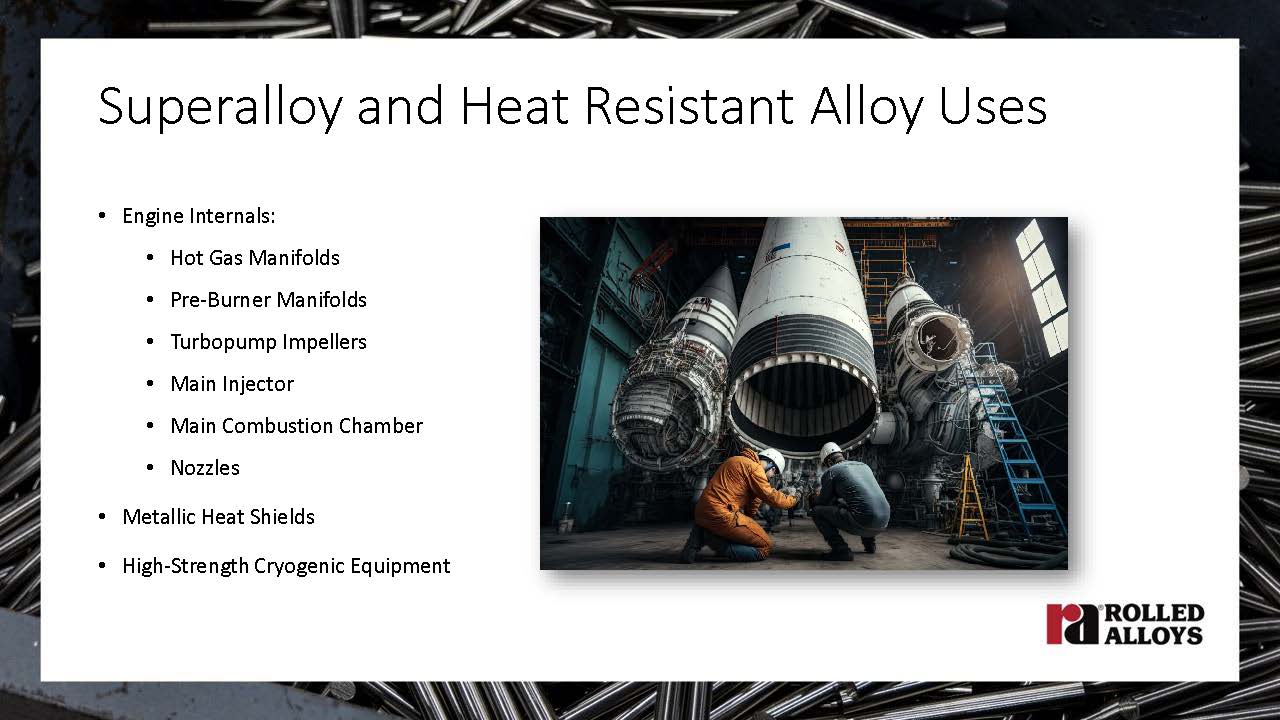
- Heat Resistant Alloys: Heat-resistant alloys, including certain stainless steels and nickel alloys, are designed for high-temperature service environments. By incorporating elements like silicon, aluminum, and rare earth metals, these alloys form protective oxide layers that enhance their resistance to oxidation and corrosion at elevated temperatures. Heat-resistant alloys are critical in components exposed to extreme temperatures, such as engine internals, metallic heat shields, and high-temperature structural elements in spacecraft.
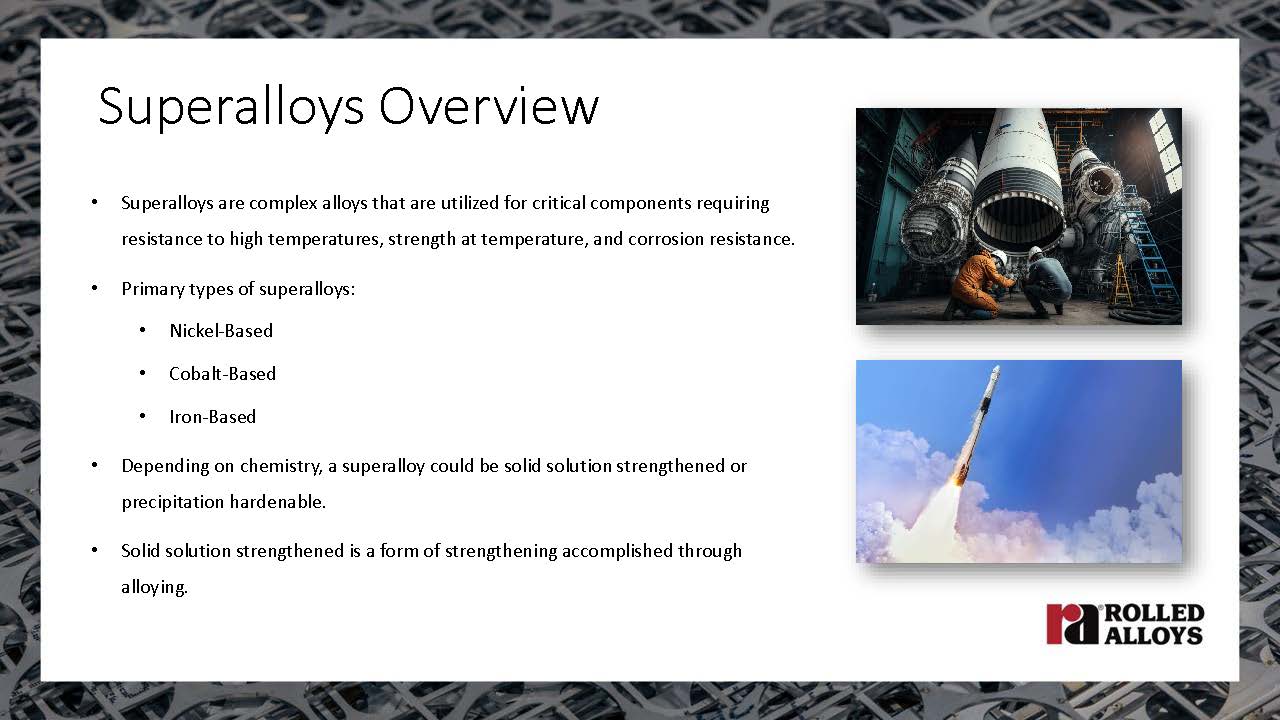
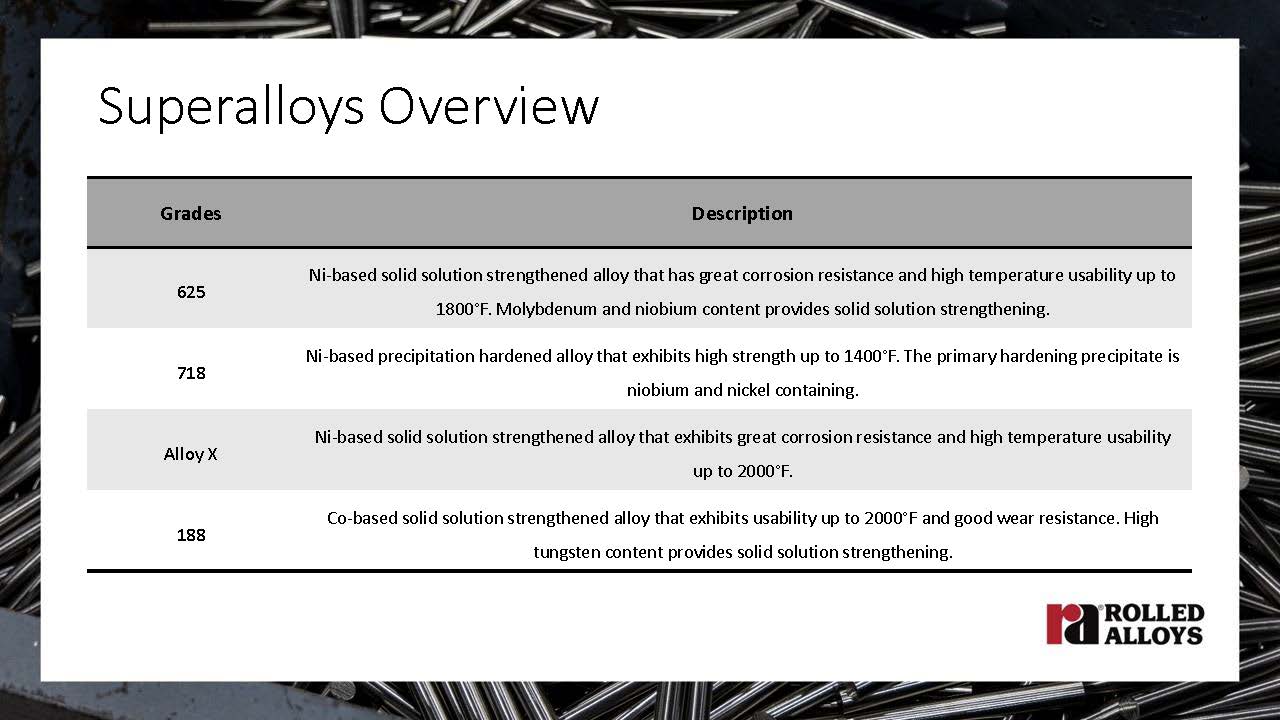
- Super Alloys: Super alloys, which include nickel-based, cobalt-based, and iron-based alloys, are the pinnacle of high-performance materials in space exploration. These alloys exhibit exceptional strength, corrosion resistance, and stability at high temperatures. Notable examples like Inconel 625, Inconel 718, and alloy X are used in high-stress, high-temperature environments, including rocket engines, turbopumps, and heat shields. Their ability to maintain mechanical properties under extreme conditions makes them indispensable in the aerospace industry.
The Importance of Melting Practices
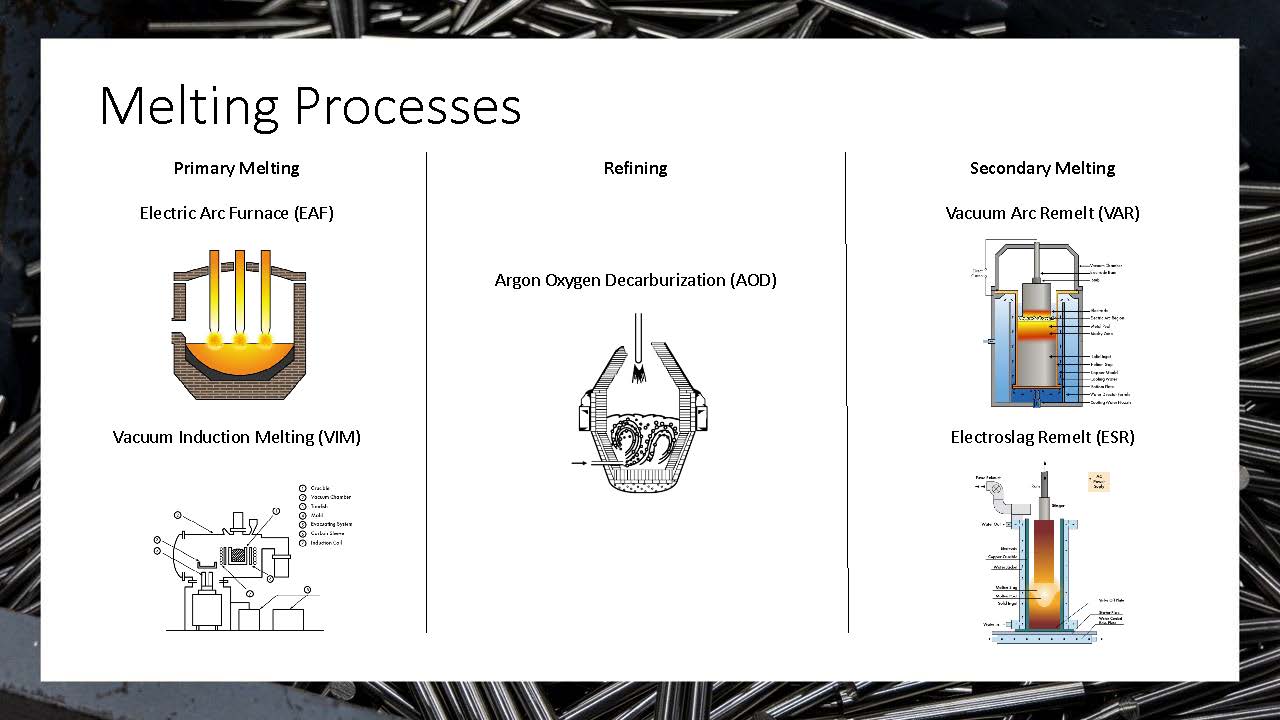
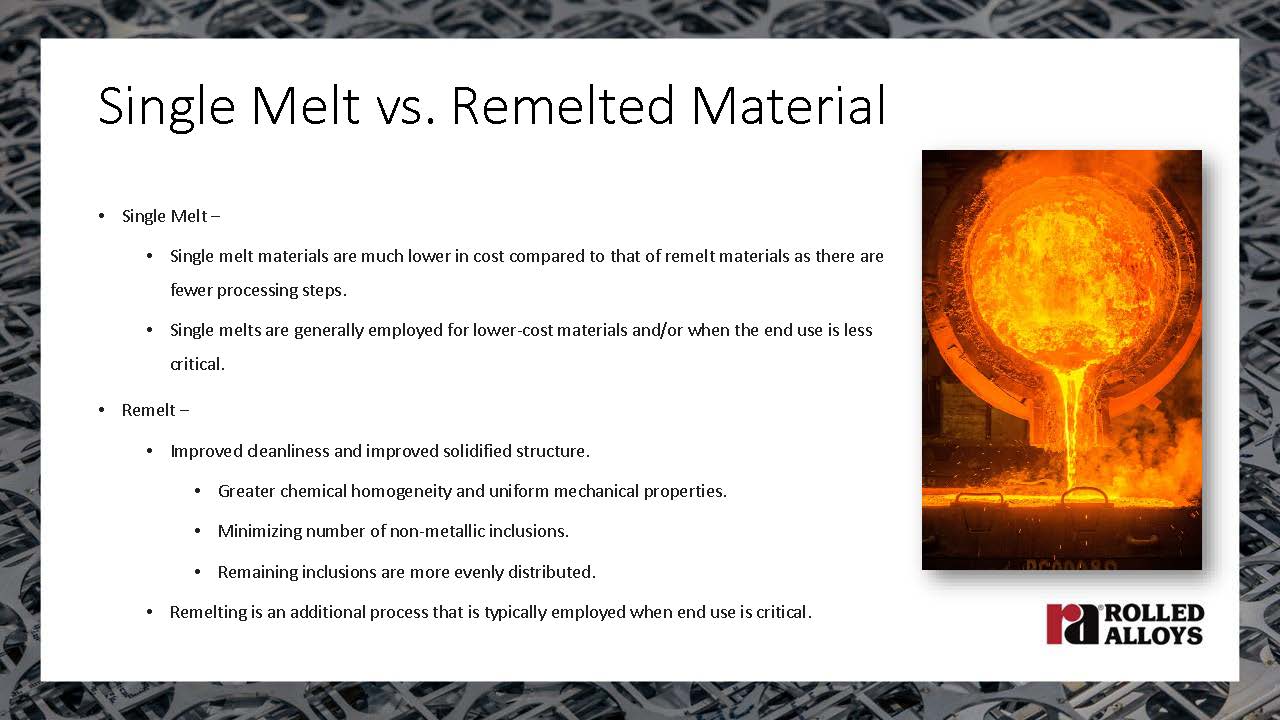
Melting practices play a crucial role in determining the quality and performance of specialty metals. The process typically involves primary melting, refining, and, in some cases, secondary melting or remelting processes. Each step is critical in achieving the desired microstructure and properties, ensuring that the material can withstand the rigorous demands of space exploration.
Conclusion
Specialty metals are at the heart of space exploration, enabling the creation of components that can endure the extreme conditions of space. The insights shared by Nick Hicks during the Rolled Alloys webinar underscore the importance of selecting the right materials and processes to ensure the success of aerospace missions. By leveraging advanced metallurgical practices and a deep understanding of material behavior, manufacturers can push the boundaries of what’s possible in the final frontier.
For more information or to explore how Rolled Alloys can support your space exploration needs, contact the Rolled Alloys Metallurgical Services group at 1-800-521-0332 or submit your questions below.