
304 vs 316 Stainless Steel: Corrosion Resistance, Properties, & Applications
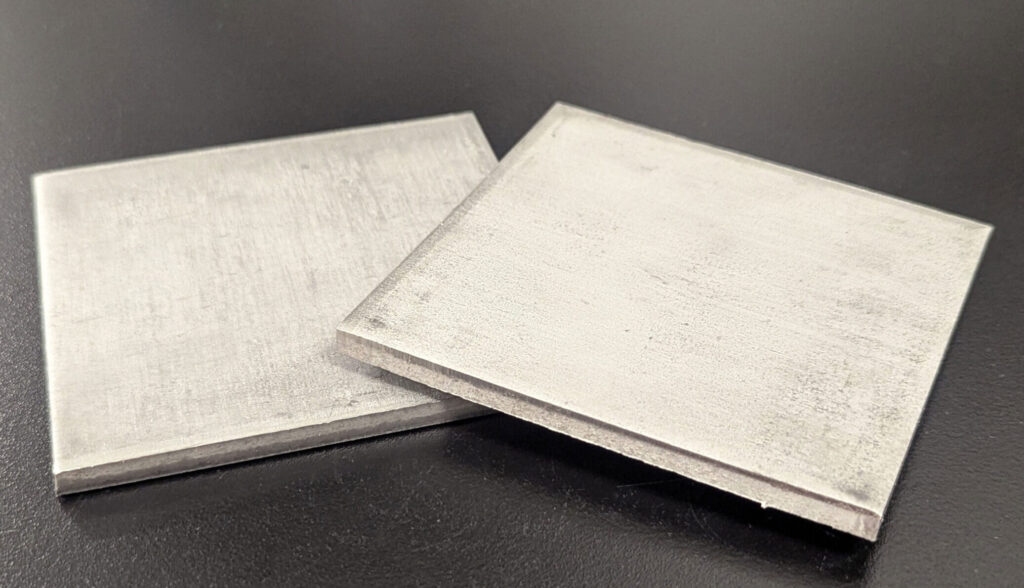
304 and 316 stainless steels are foundational materials in industrial and structural applications, valued for their durability, corrosion resistance, and versatility. While similar in performance, differences in chloride resistance can impact longevity, making proper grade selection key to balancing performance, cost, and service life.
RA 253 MA® vs 309/310
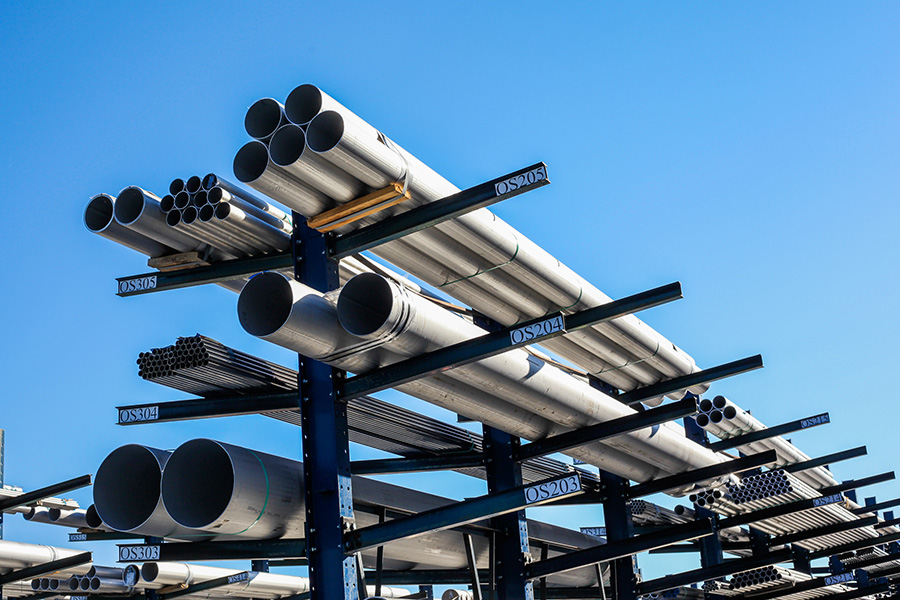
The main difference between RA 253 MA and both 309 and 310 stainless steel lies in alloy composition and resulting high‑temperature performance.
AL-6XN Case Study
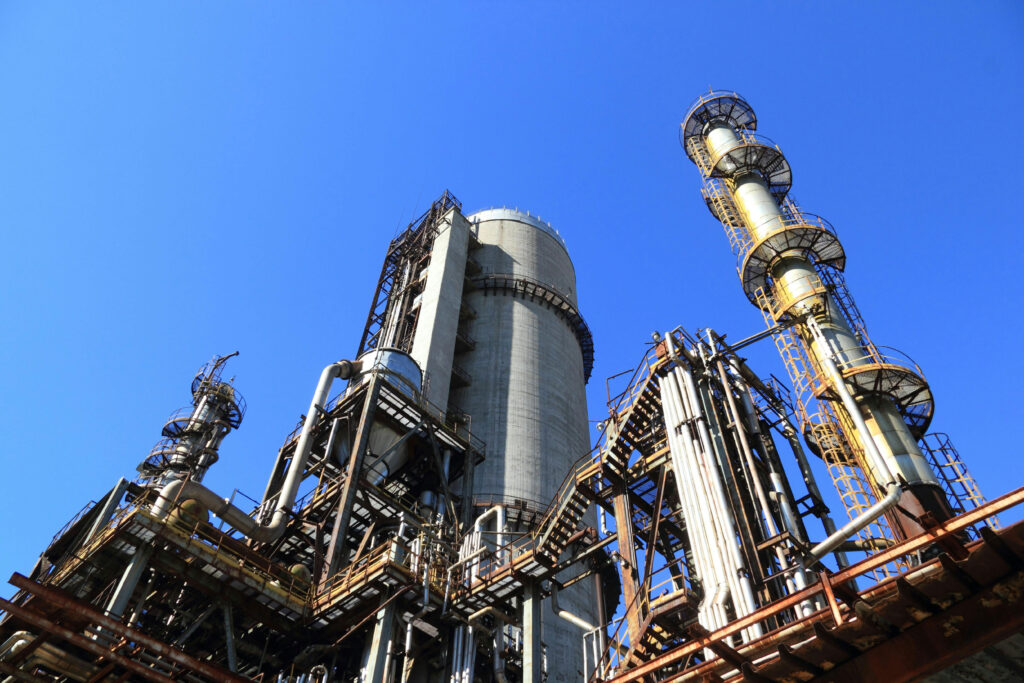
AL-6XN alloy has a proven track record in the high-sulfur, high-chloride environments of coal-fired power plants.
Alloying Elements Explained
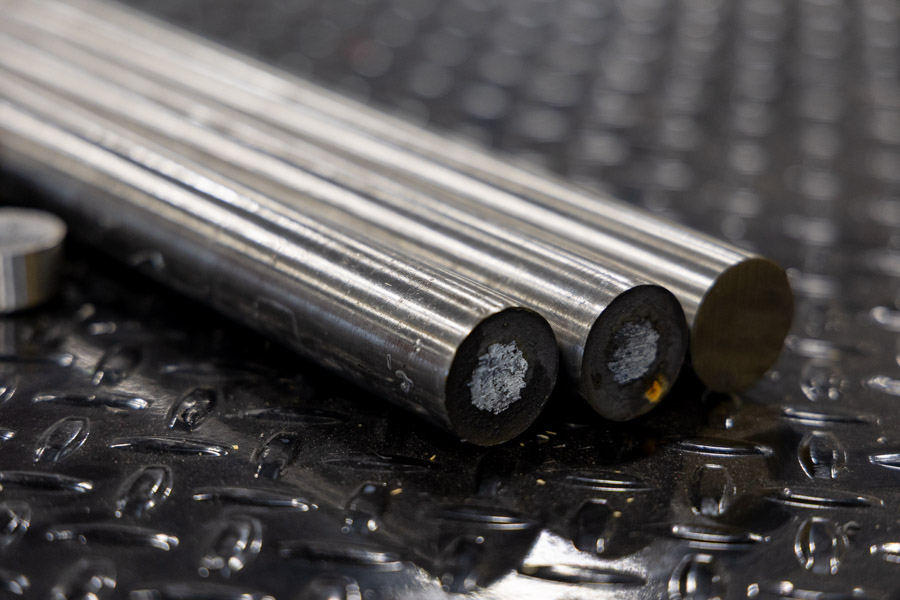
Alloying elements play a critical role in shaping the strength, corrosion resistance, and performance of metals. This article breaks down the most common alloying elements, explains how they affect material properties, and provides guidance for choosing the right alloy for any application.
How the Kroll Process Produces Titanium Sponge
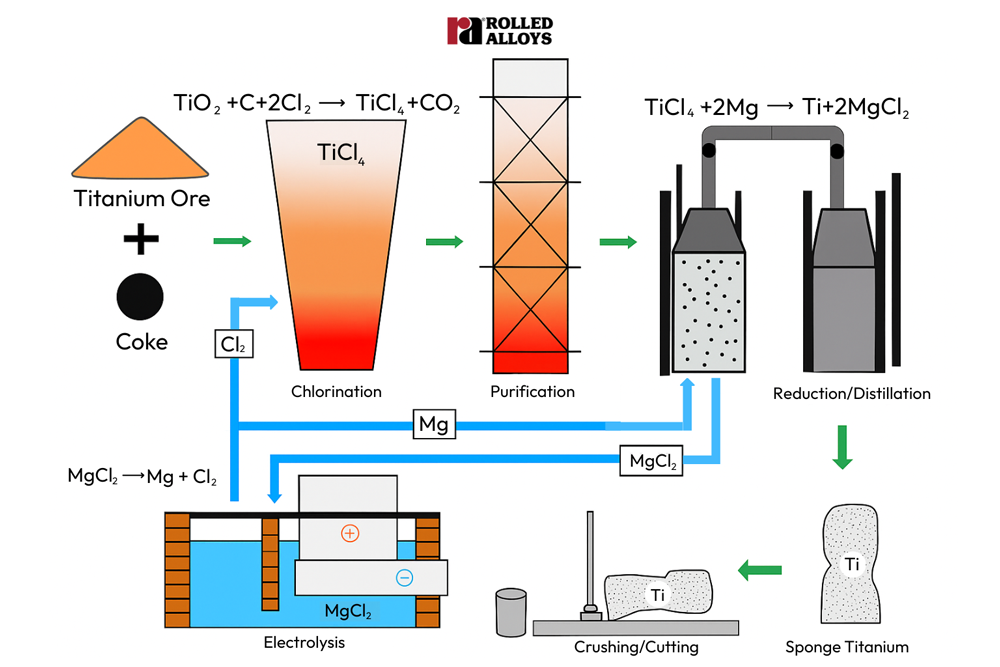
The Kroll process is the primary industrial method for transforming titanium ore into metallic titanium…
High Temperature Strength – An Explanation of Creep and Rupture
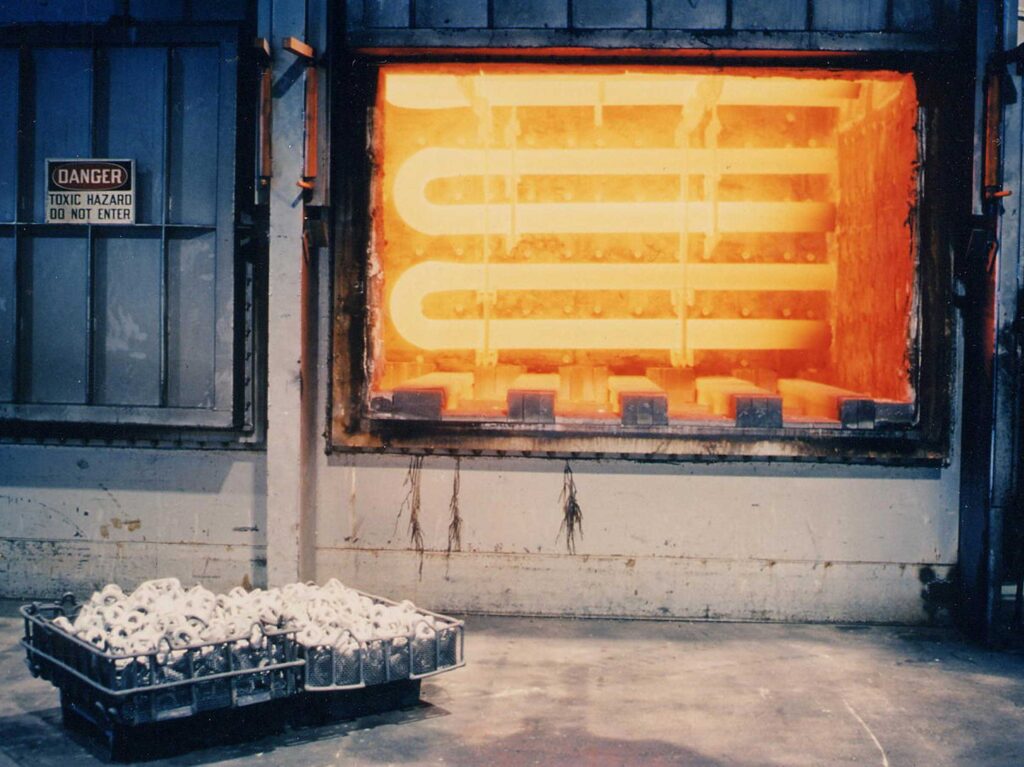
Learn how metal strength at high temperatures differs from room temperature in this comprehensive guide. Discover the importance…
Positive Material Identification (PMI)

Learn about the latest advancements in Positive Material Identification (PMI) from portable XRF to OES instruments. Understand their…
The History and Uses of AL-6XN®
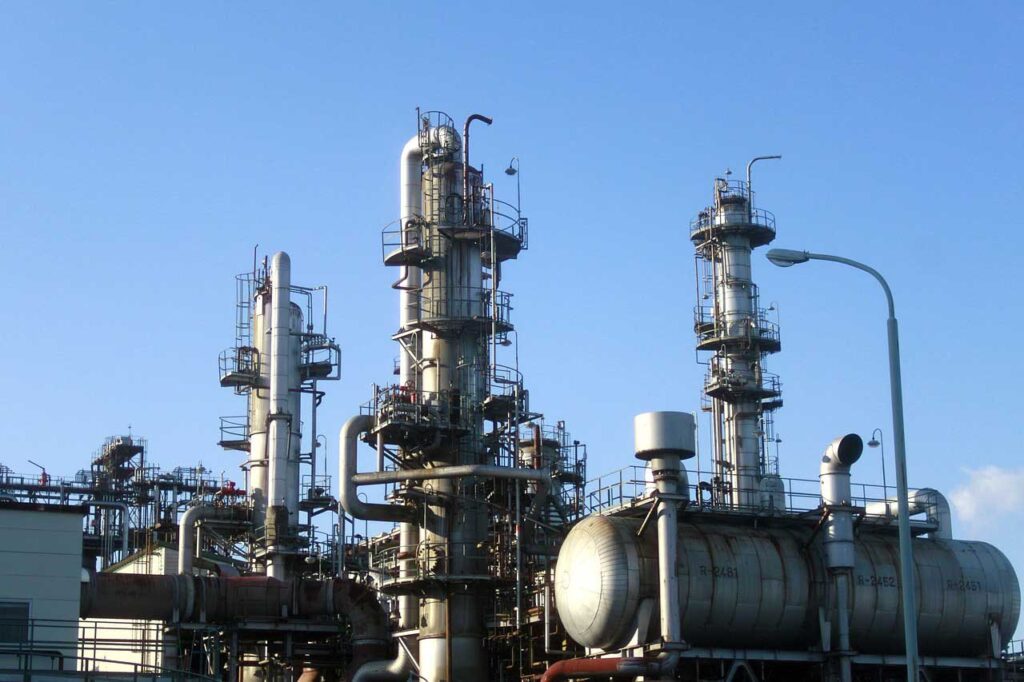
AL-6XN® was developed to improve the corrosion resistance of AL-6X in seawater environments, offering better performance in resisting…
Chloride Stress Corrosion Cracking (CSCC) in Indoor Swimming Pools
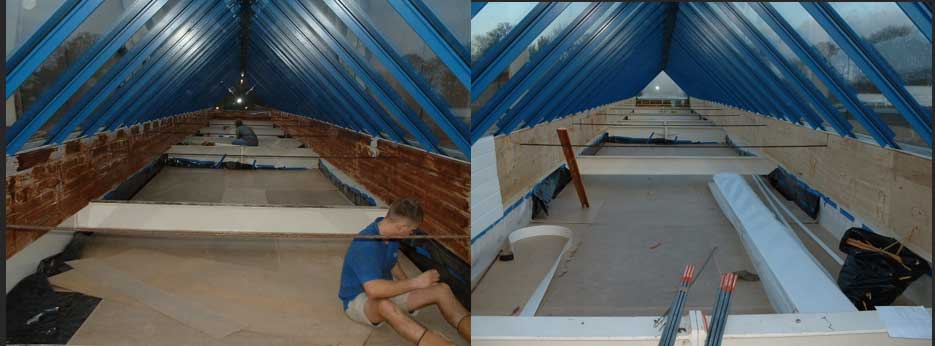
Explore the causes and solutions for chloride stress corrosion cracking (CSCC) in 300 series stainless steels used in indoor swimming pool environments.
Quality of Microstructure of Duplex Stainless Steels
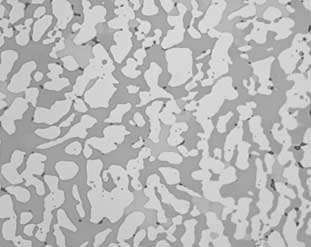
Duplex stainless steels typically have 50% of both austenite and ferrite in their microstructure. It is necessary to have good control of…