
Metal Dusting
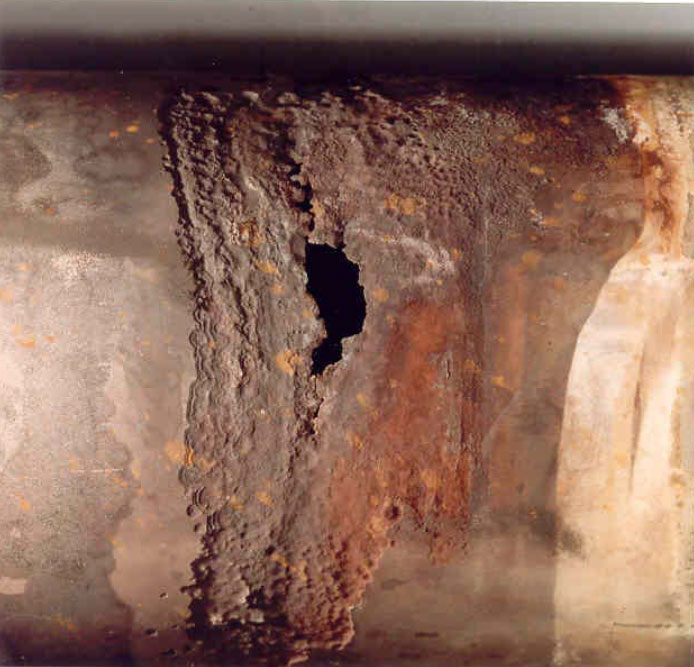
Metal Dusting is a hazard when using heat-treat carburizing furnaces and petrochemical equipment. Explore how high-chromium alloys thwart this destructive process, safeguarding crucial industrial assets against disintegration at temperatures ranging from 800 to 1700°F.
Manganese Substitution Grades of Stainless Steel
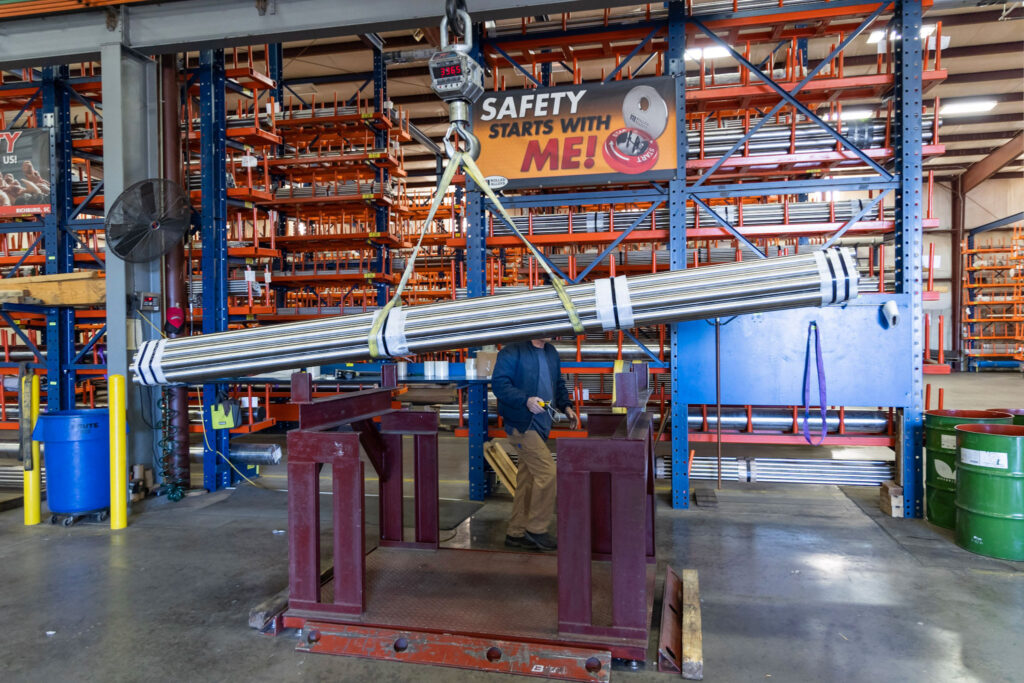
Explore the evolution of stainless steel with manganese substitution grades, offering cost-effective solutions for industries like appliances and food equipment.
Things to Know About PREN
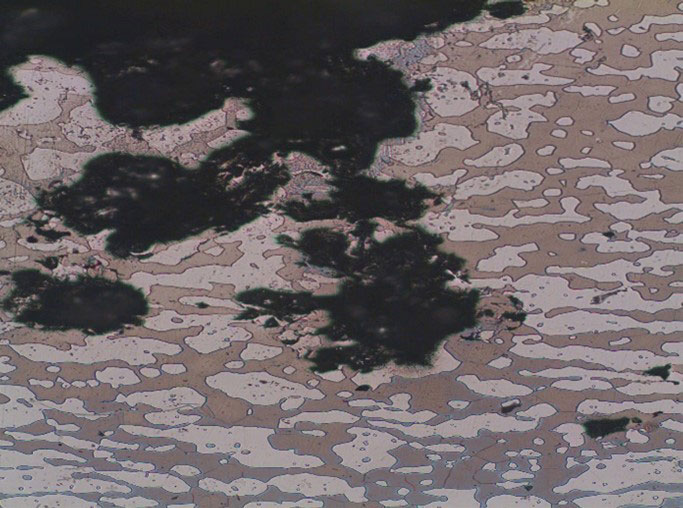
Highlighting the importance of factors beyond PREN, like manufacturing processes and heat treatment, is essential for predicting corrosion resistance accurately in various environments.
Best Practices When Using Specialty Materials for SWRO Feed and Brine Reject Lines
Best Practices When Using Specialty Materials For SWRO Feed and Brine Reject Lines Selecting materials for Saltwater Reverse Osmosis (SWRO) applications demands precision and expertise. In this comprehensive guide, we delve into the evolution of material selection strategies, exploring corrosion-resistant alloys and their performance in SWRO environments. WATCH THE PRESENTATION BELOW https://youtu.be/M9VreafUSBc PRESENTATION SLIDES SUMMARY […]
Understanding High-Temperature Distortion of Metals
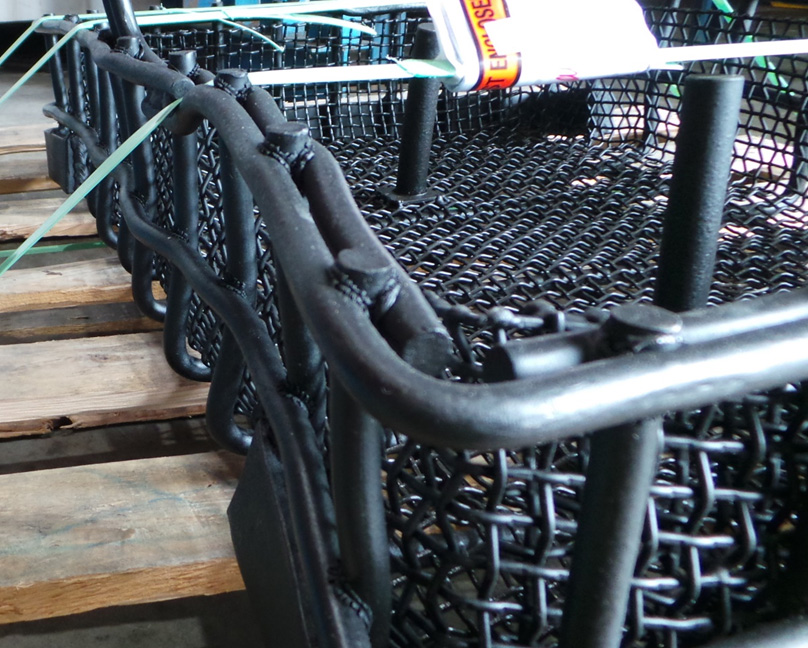
Understanding High-Temperature Distortion of Metals When metals are subjected to high temperatures, they undergo expansion. The extent of expansion is measured in terms of the coefficient of thermal expansion. This physical property is frequently cited for various engineering materials. In the thermal processing industry, neglecting thermal expansion is a leading cause of failure of thermal […]
Introduction to Heat Resistant Alloys
Introduction to Heat Resistant Alloys We have been supporting the heat-resistant alloy market for over 70 years. Many different industries, such as thermal processing, chemical processing, and power generation, depend on the capabilities of these alloys to perform day-to-day activities. In this webinar, we will explore the world of wrought heat-resistant alloys. The listener will […]
Ferrite Content in Austenitic Stainless Steels
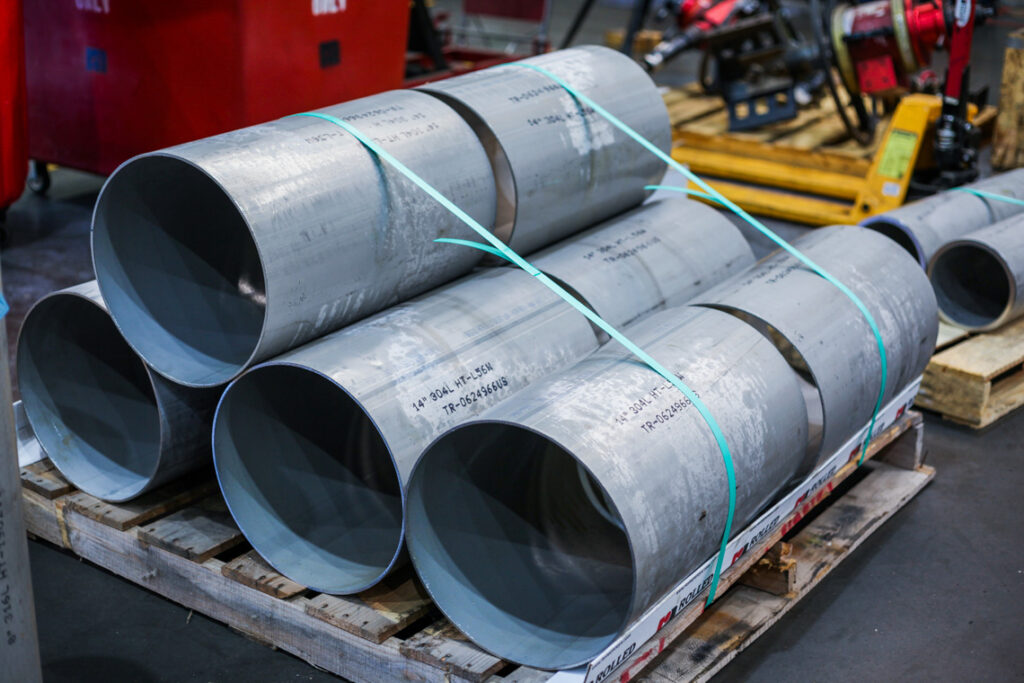
Ferrite Content in Austenitic Stainless Steels The basic 300 series stainless steels like 304/304L and 316/316L have an austenitic microstructure and are non-magnetic. In the annealed condition, they are essentially free of ferrite, which is magnetic. Cast products of these alloys typically have some ferrite present. These alloys also form some ferrite when they are […]
Stress Corrosion Cracking
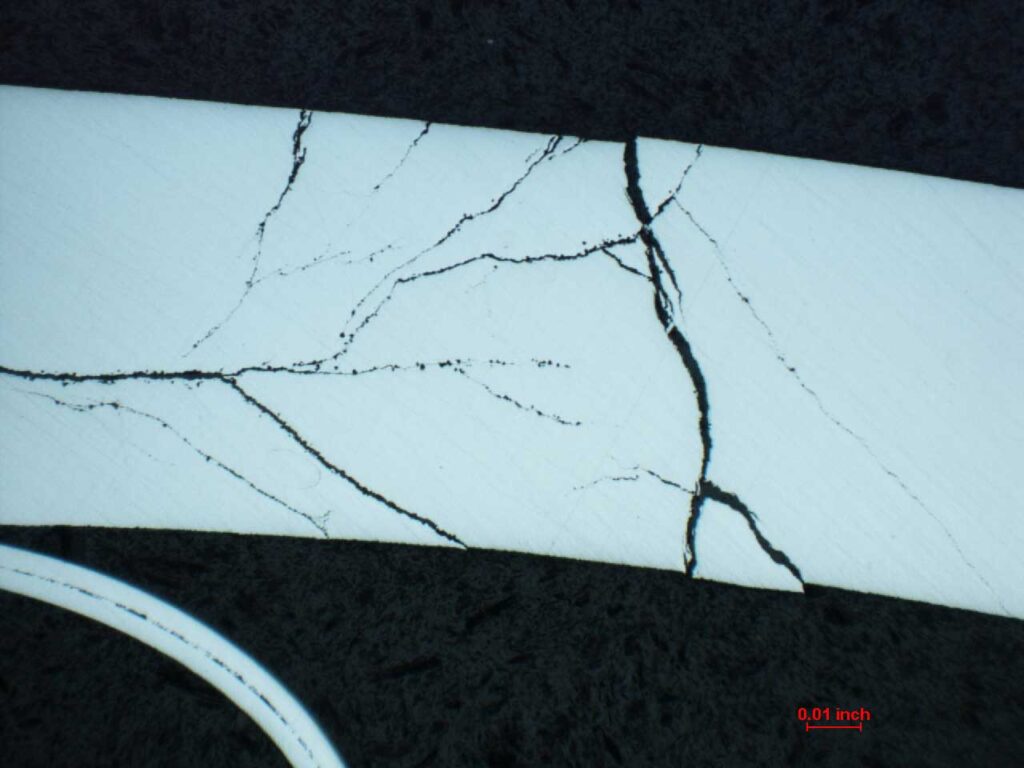
Stress Corrosion Cracking (SCC) is a cracking phenomenon that is crucial to consider when working with specialty alloys. SCC is often associated with chlorides but can also occur with exposure to caustic and other corrosive media. The most common type of stress corrosion cracking in stainless steels occurs in chloride environments, which will be the focus of this discussion.
Inclusions in Specialty Alloys
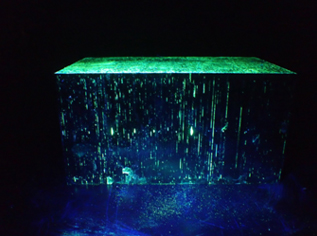
When molten metal (steel, stainless steel, or nickel alloys) solidifies, the center of an ingot or slab is the last to freeze. While non-metallic impurities (oxides, nitrides, sulfides, silicides) settle throughout the ingot or slab, the greatest concentration of these inclusions settle along the solidification front…
What is Sensitization and How to Avoid It?
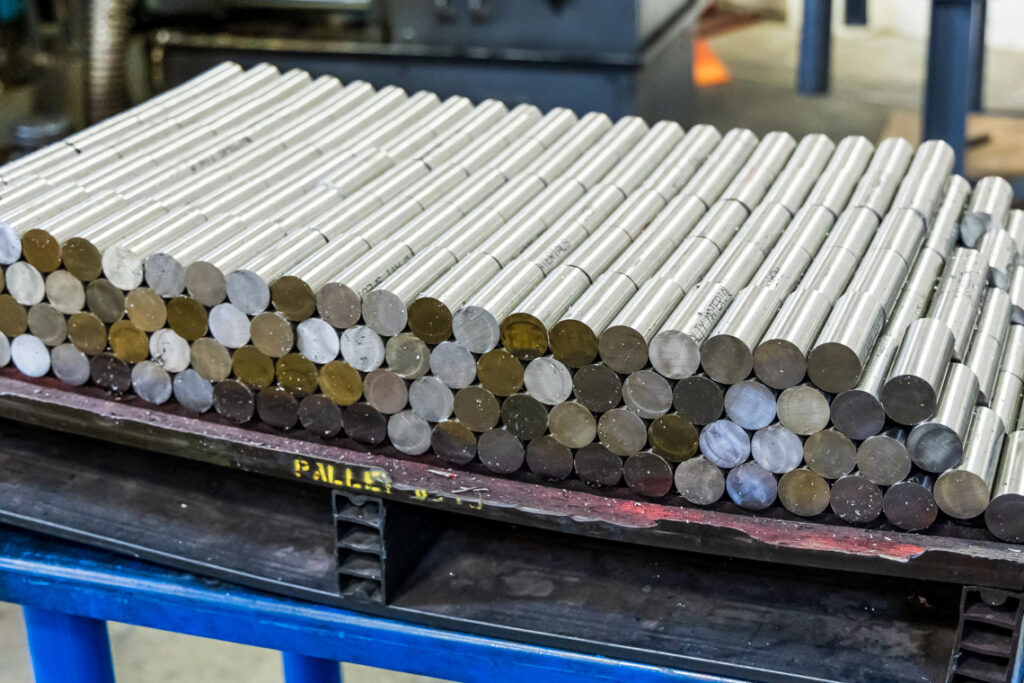
What is Sensitization and How to Avoid It? Sensitization is a phenomenon that can occur in stainless steel and even some nickel alloys. It is a critical concept that needs to be understood as it can adversely affect the performance of stainless steel and nickel alloys. Sensitization is the precipitation of carbides at grain boundaries […]