
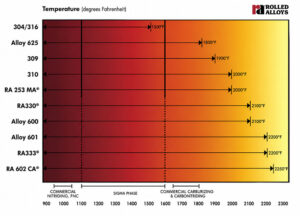
RA330® Alloy for High-Temperature Furnace Applications
Discover how RA330® delivers oxidation resistance, thermal stability, and reliable performance in high-temperature environments. Explore its advantages for heat treating furnaces, industrial equipment, and demanding applications where material selection matters.
17-4 PH vs. 15-5 PH vs. 13-8 PH Stainless Steel
Compare 17-4 PH, 15-5 PH, and 13-8 PH stainless steel in terms of mechanical properties, melting methods, ductility, machinability, cost, and applications.
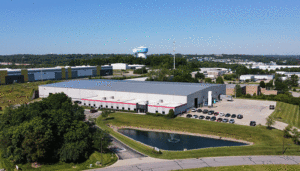
Cincinnati Rolled Alloys Visitors Guide
Discover the future of metal processing at our state‑of‑the‑art, 110,000‑square‑foot facility in Cincinnati, Ohio.
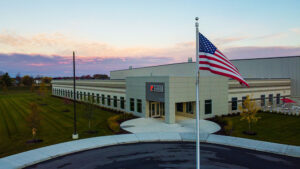
Toledo Rolled Alloys Visitors Guide
Discover the future of metal processing at our state‑of‑the‑art, 250,000‑square‑foot facility in Maumee, Ohio.
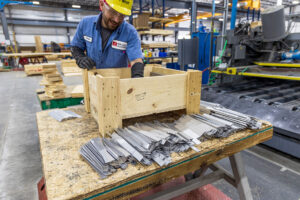
Manage Stocking Programs Online | e-Services Enhancement
Manage your eService programs faster with the new dashboard widget from Rolled Alloys. Track inventory, releases, schedules, and recurring material orders in one centralized view.
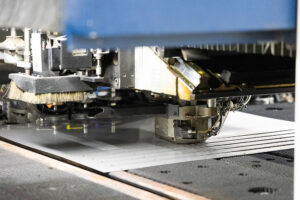
Precision Laser Punch Cutting Services for Specialty Metals
Precision laser punch cutting services for aerospace, energy, and industrial applications. Rolled Alloys supports complex metal processing with advanced fabrication capabilities.
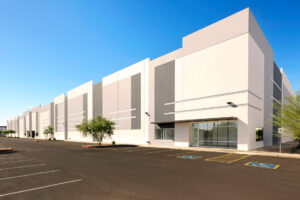
Rolled Alloys Expands with New Phoenix, Arizona Metal Processing Facility
Rolled Alloys is opening a new 23,100-square-foot stainless bar processing facility in Phoenix, Arizona, expanding its capabilities to better serve key industries across the southwest region.
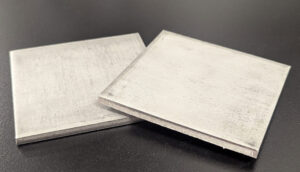
304 vs 316 Stainless Steel: Corrosion Resistance, Properties, & Applications
304 and 316 stainless steels are foundational materials in industrial and structural applications, valued for their durability, corrosion resistance, and versatility. While similar in performance, differences in chloride resistance can impact longevity, making proper grade selection key to balancing performance, cost, and service life.