
RA330® Alloy for High-Temperature Furnace Applications
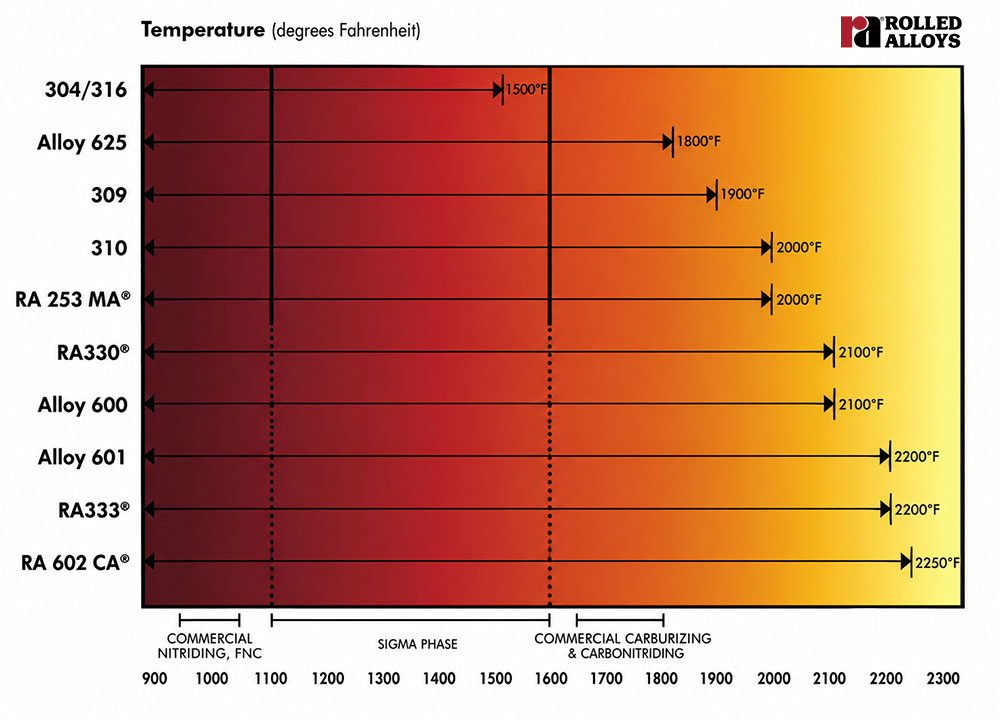
Discover how RA330® delivers oxidation resistance, thermal stability, and reliable performance in high-temperature environments. Explore its advantages for heat treating furnaces, industrial equipment, and demanding applications where material selection matters.
17-4 PH vs. 15-5 PH vs. 13-8 PH Stainless Steel
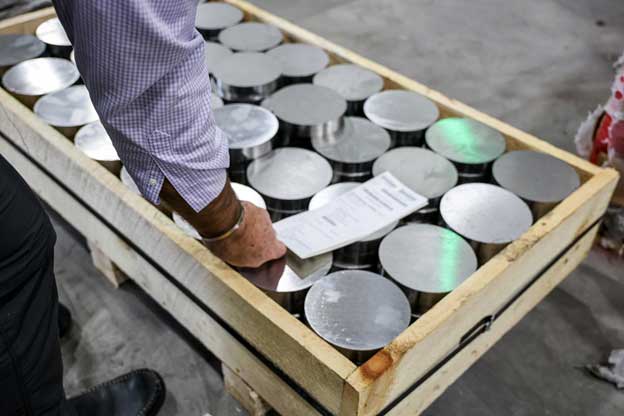
Compare 17-4 PH, 15-5 PH, and 13-8 PH stainless steel in terms of mechanical properties, melting methods, ductility, machinability, cost, and applications.
304 vs 316 Stainless Steel: Corrosion Resistance, Properties, & Applications
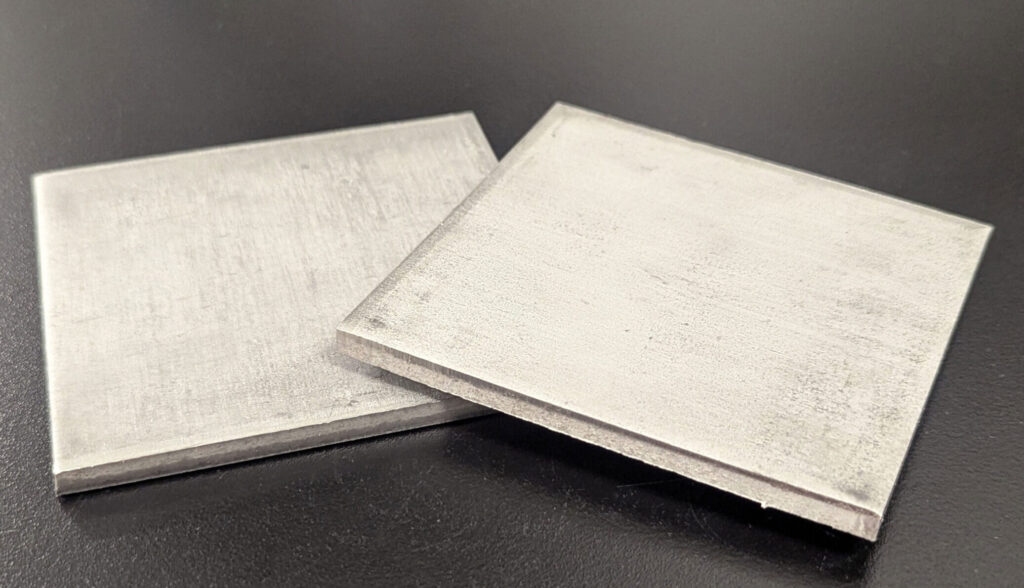
304 and 316 stainless steels are foundational materials in industrial and structural applications, valued for their durability, corrosion resistance, and versatility. While similar in performance, differences in chloride resistance can impact longevity, making proper grade selection key to balancing performance, cost, and service life.
RA 253 MA® vs 309/310

The main difference between RA 253 MA and both 309 and 310 stainless steel lies in alloy composition and resulting high‑temperature performance.
AL-6XN Case Study

AL-6XN alloy has a proven track record in the high-sulfur, high-chloride environments of coal-fired power plants.
How Titanium Sponge and Scrap Become Final Products
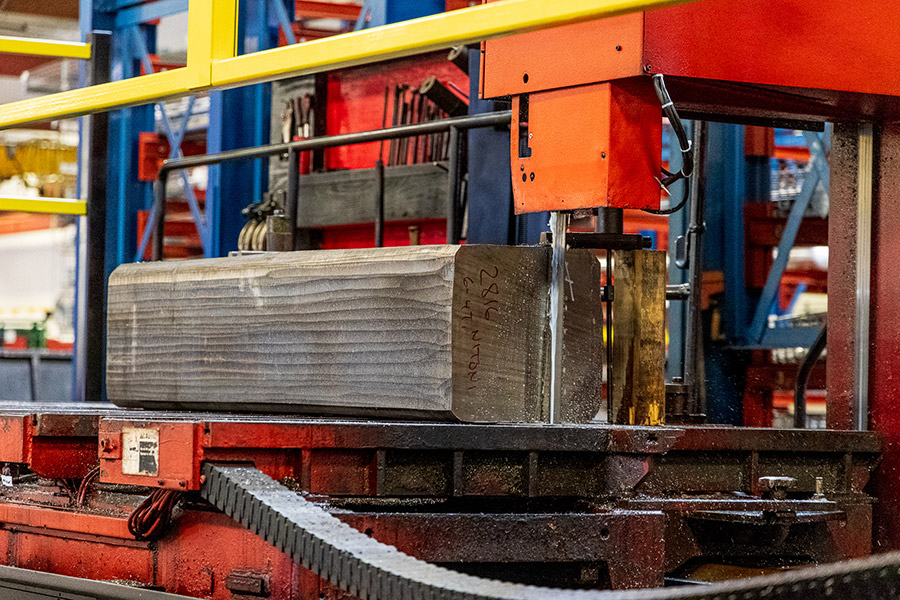
Titanium sponge and scrap are the starting materials for producing titanium ingots and slabs. Through processes like vacuum arc remelting (VAR) and hearth melting, these materials are refined into high-purity forms that are then forged, rolled, and finished into titanium plates, bars, and components.
Alloying Elements Explained
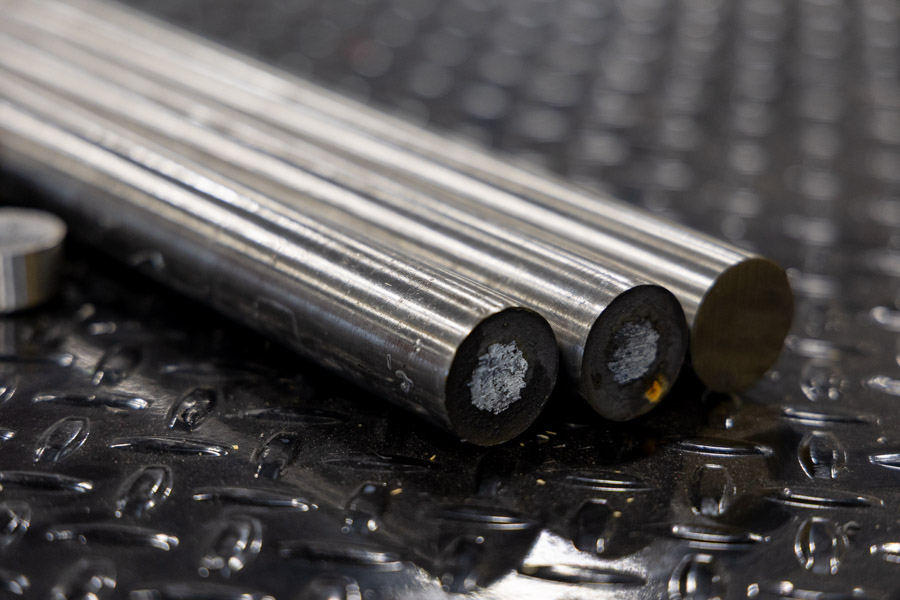
Alloying elements play a critical role in shaping the strength, corrosion resistance, and performance of metals. This article breaks down the most common alloying elements, explains how they affect material properties, and provides guidance for choosing the right alloy for any application.
How the Kroll Process Produces Titanium Sponge
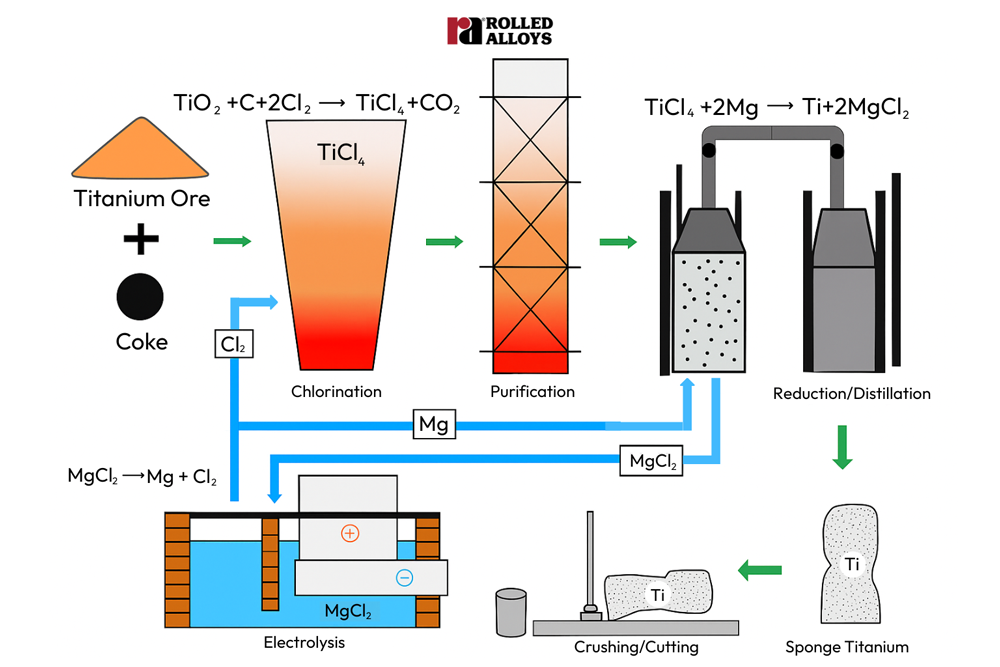
The Kroll process is the primary industrial method for transforming titanium ore into metallic titanium…
RA 253 MA Delivers High-Temp Performance in Industry Feature
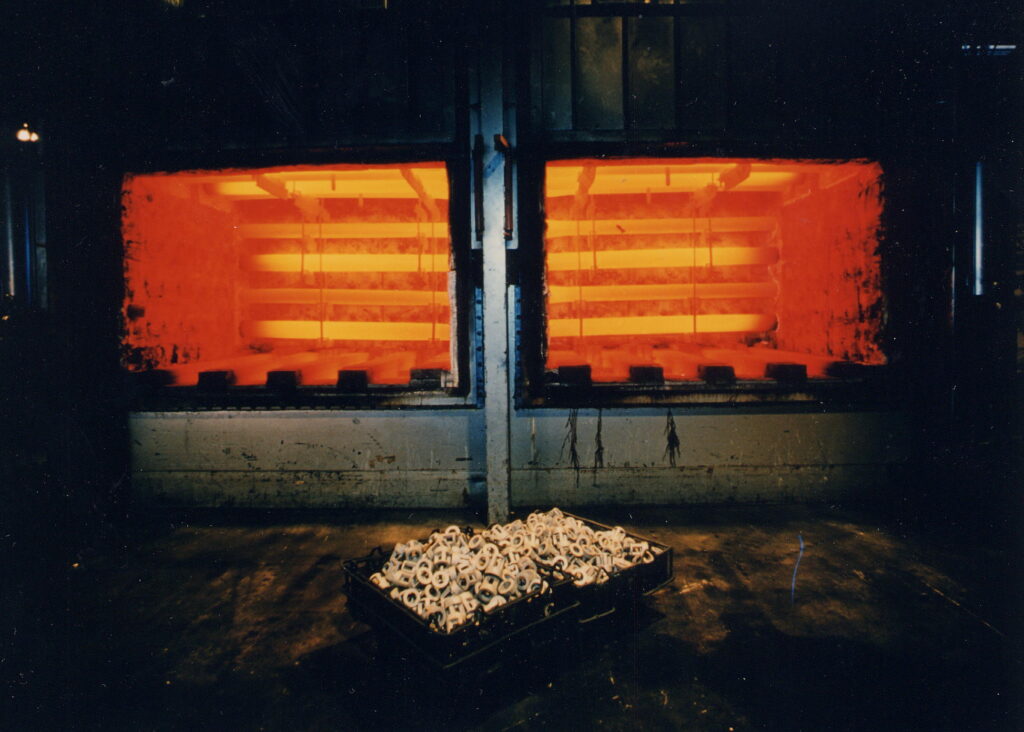
Rolled Alloys has been featured in Heat Treat Today with the article, “A Microalloyed Solution for High-Temp Applications.”
Welding Consumable Designations and Selection Criteria
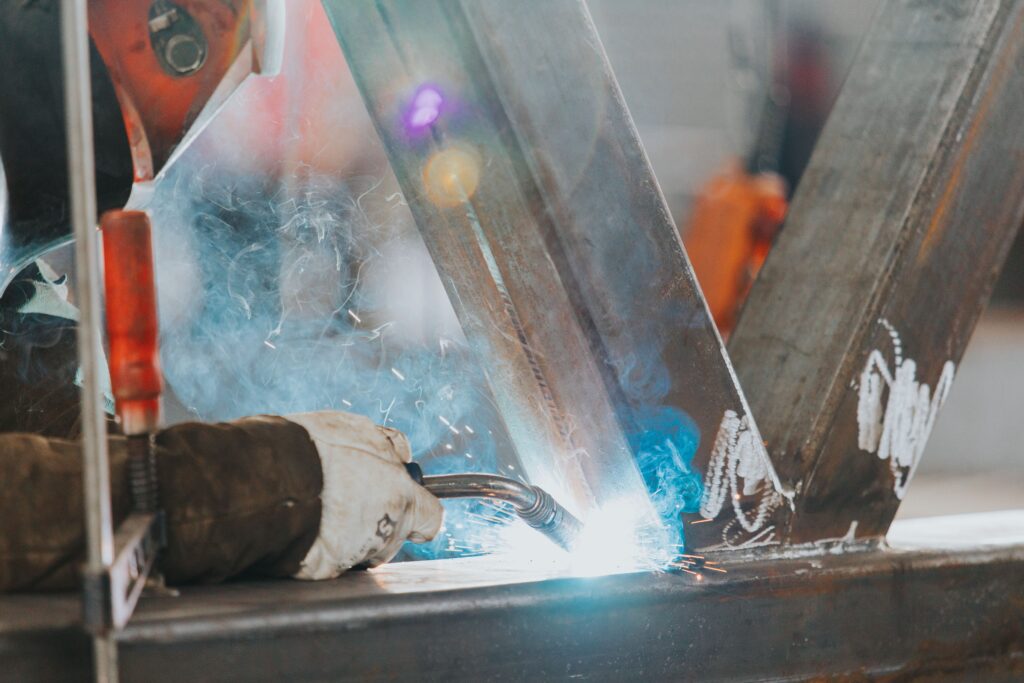
Understanding welding consumable designations is essential for achieving strong, reliable welds. This guide breaks down AWS standards, electrode naming conventions, and key factors like polarity, base materials, and welding position to help you choose the right filler metal every time.