Home » News & Articles » Machining Stainless Steel and Nickel Alloys
In most circumstances, machining stainless steel and nickel alloys is more difficult than machining low-alloy steels. However, there are a wide range of compositions, and some grades can have better machinability than mild steel.
The austenitic 300 series stainless steels, like 304/304L and 316/316L, are the most widely utilized stainless steel class. Their good corrosion resistance, formability, and weldability make them suitable for various applications. These characteristics are obtained by alloying nickel with chromium and iron. Adding nickel also results in alloys that work harden rapidly (strengthen through cold work). Therefore, while 300 series stainless steels are the most widely used, they are also the most difficult class of stainless to machine.
Recognizing the tendency for stainless and nickel alloys to cold work is the most important concept to remember when machining these grades. When a tool touches a workpiece to remove stock, it leaves behind a thin, work-hardened layer at the surface. Even though this layer is thin, overcoming the work-hardened layer on subsequent passes could prove to be difficult.
The five guiding principles below are the foundation for good stainless machining practices:
- Use a heavier feed than what you would typically utilize for mild steels. Heavier feeds are utilized to maintain the cut below the work-hardened surface. Dwelling on the surface or multiple thin cuts should be avoided.
- Taking a deeper cut will require more power. The equipment capability for stainless and nickel alloys is about 65% – 75% of that for mild steel. Use a slower speed than with mild steels. This will reduce heat and improve tool life.
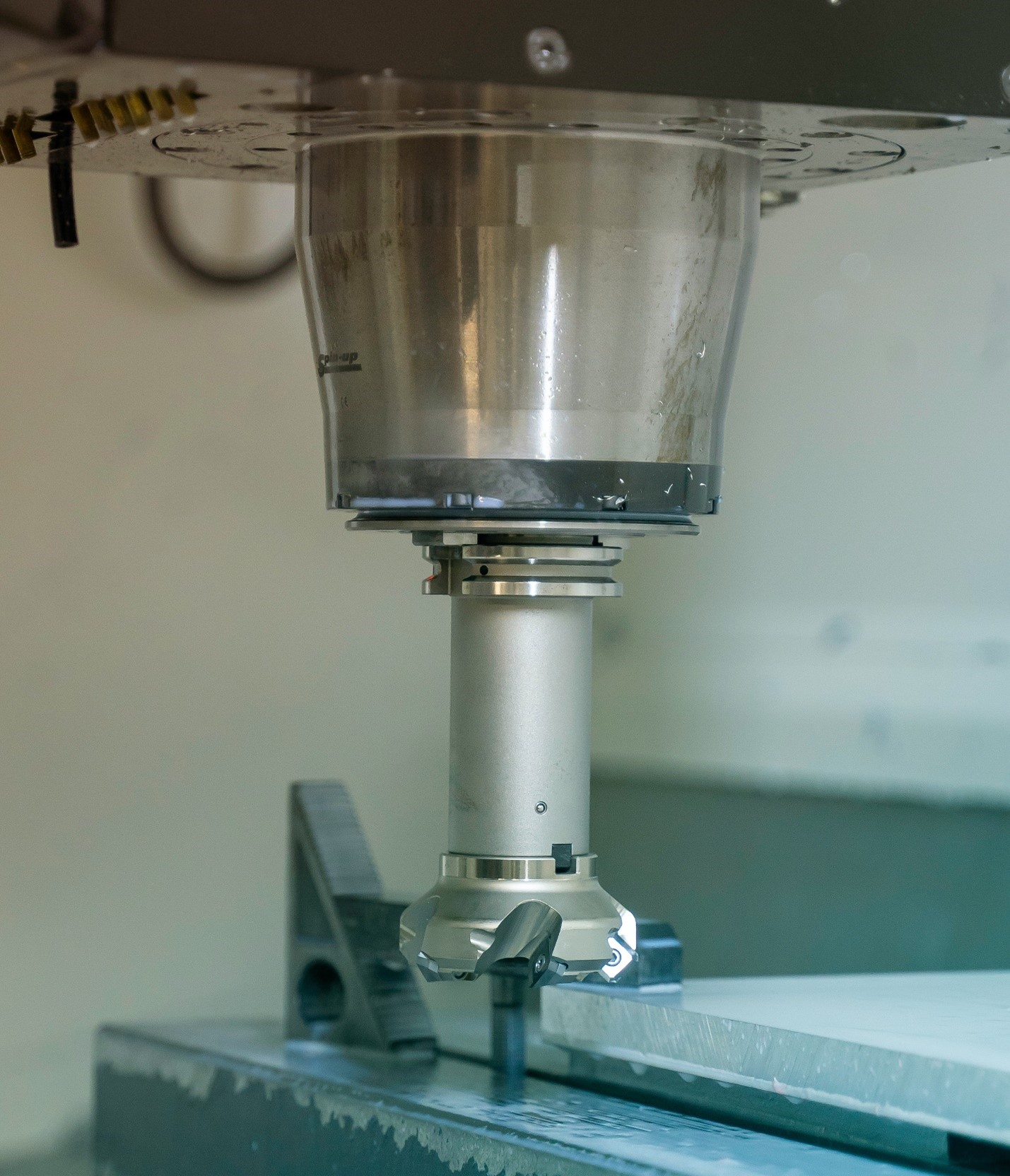
- Since you are applying greater loads through the tool, the tools and fixtures must be as rigid as possible to avoid chatter and distortion. Minimize overhang or protrusion of both the tool and the workpiece.
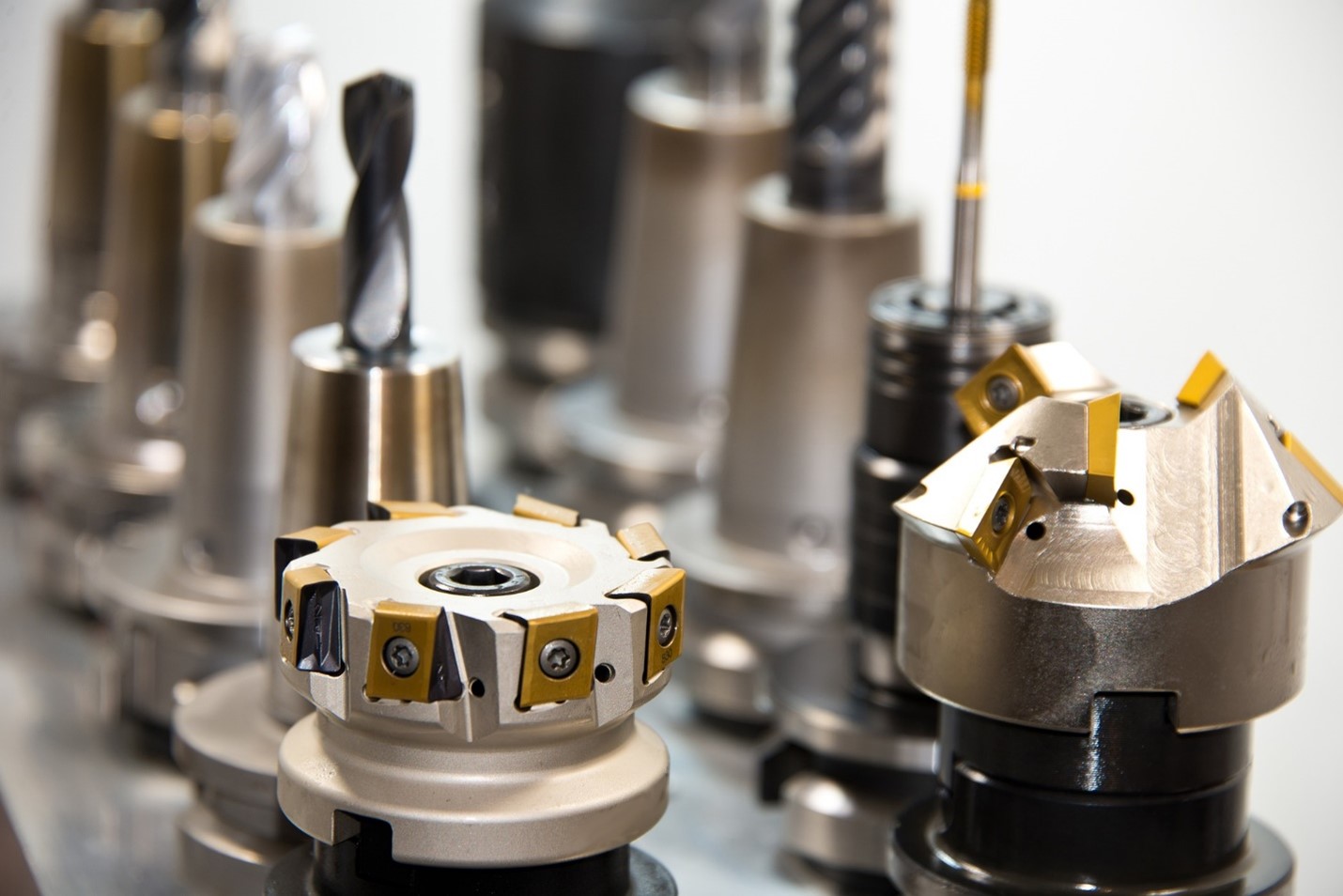
- Keep tools sharp with recommended rake angles and clearances. Chip breakers may be beneficial for higher nickel-containing alloys.
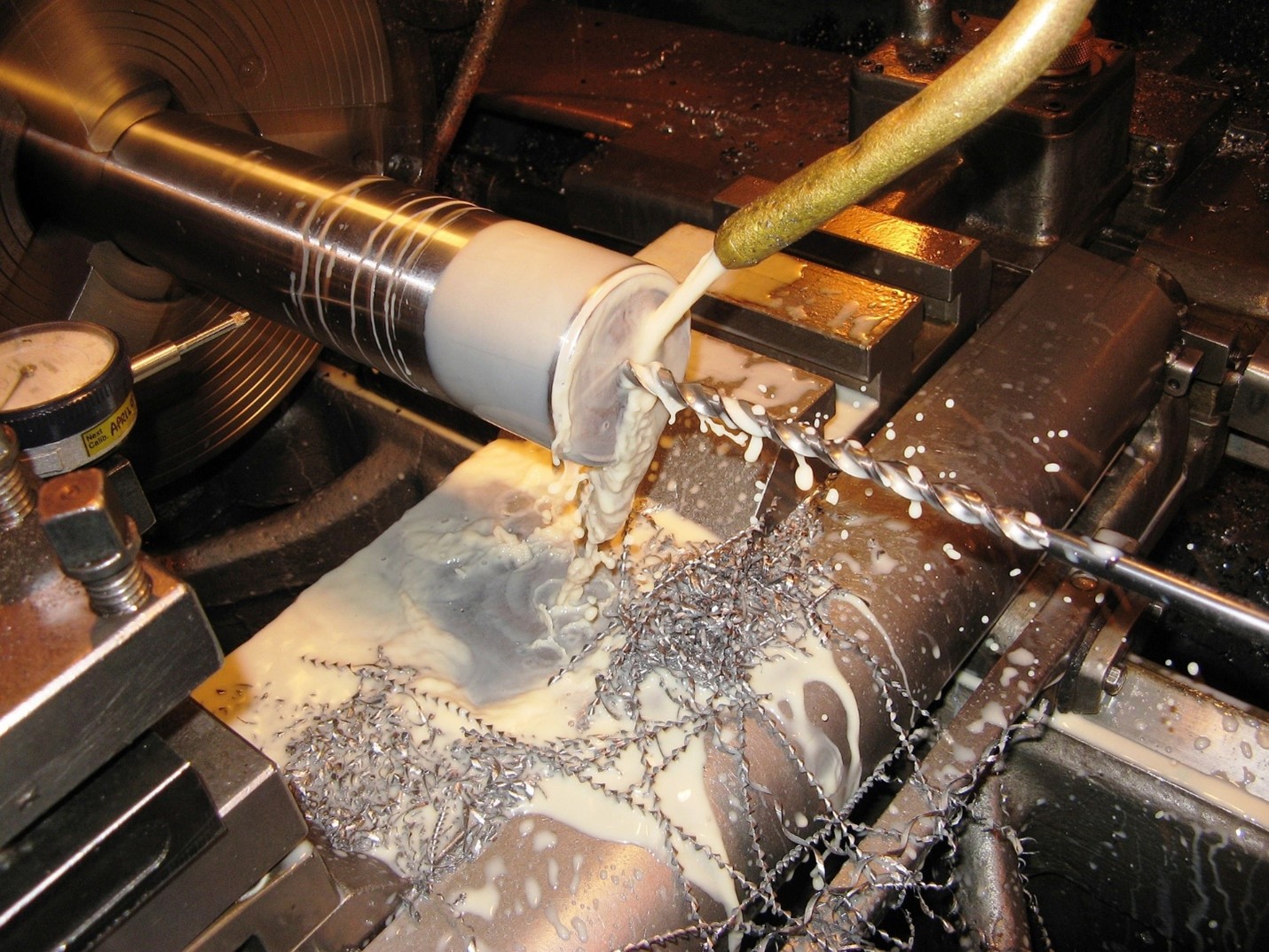
- Proper cutting fluids are critical to maintain adequate lubrication and heat removal. The tool should be flooded with lubricant, which will help remove chips from the work area.
There are many variables in machining operations, so guidelines for speeds and feeds can be used as starting points. Guidelines for speeds and feeds for stainless steels, nickel alloys, and other specialty metals can be found on our website by clicking the below link:

AL-6XN® Case Study
Coal-fired power plants generate flue gas as a byproduct of combustion. In many modern plants, especially those burning coal with high sulfur and chloride content,

RA 253 MA® vs 309/310
The main difference between RA 253 MA and both 309 and 310 stainless steel lies in alloy composition and resulting high‑temperature performance. RA 253 MA

5-Axis Waterjet Beveling
A 5-axis waterjet cutting machine is an advanced CNC cutting tool that uses a high-pressure stream of water mixed with abrasive (usually garnet) to cut
Never Miss an Update - Subscribe Today!
Get application insights, material guides, and technical answers straight from the leaders in high-performance alloys.
Share:
QUOTE, BUY, TRACK
We make it easy to get instant pricing and purchase your metal at the click of a button. Track your order progress, get notified when it ships, and follow your shipment online until it’s delivered. It’s that easy!
Latest Articles
AL-6XN® Case Study
Coal-fired power plants generate flue gas as a byproduct of combustion. In many modern plants, especially those burning coal with high sulfur and chloride content, this flue gas can become highly corrosive to carbon steel and even conventional stainless steels.
RA 253 MA® vs 309/310
The main difference between RA 253 MA and both 309 and 310 stainless steel lies in alloy composition and resulting high‑temperature performance. RA 253 MA contains micro‑alloy additions of cerium, silicon, and nitrogen, which enhance oxidation resistance and creep strength at elevated temperatures. In addition, RA 253 MA has a lower overall nickel and chromium content, making it less susceptible to fluctuations in commodity pricing when compared to 309 and 310 stainless steels.
5-Axis Waterjet Beveling
A 5-axis waterjet cutting machine is an advanced CNC cutting tool that uses a high-pressure stream of water mixed with abrasive (usually garnet) to cut through metals and other materials.
A Smarter Way to Order Metal Online
Introducing updates to the Rolled Alloys eCommerce experience designed for speed, clarity, and control.
2026 Trade Show Schedule
Connect with our team in person throughout 2026 at these key industry events. Explore our full trade show schedule to discover where we’ll be exhibiting all year long.